



Remembering the Glimmering Yellow Fireflies

Fireflies are a type of insect that has the ability to emit light in the dark or is more often seen glowing at night. Fireflies belong to the family Lampyridae, which is part of the order Coleoptera (Rahayu, 2007). They are related to coconut beetles or rice weevils—only differing in family, as fireflies are classified under the family Lampyridae. There are more than 2000 species of fireflies, which can be found in temperate and tropical regions around the world. Of the more than 2000 species of fireflies, most are found living in tropical areas, including Indonesia. Although the population in Indonesia is large, over time, due to the lack of plants or forests in certain habitats, the existence of fireflies has become threatened (Subali, 2013).
Fireflies are unique creatures and serve as significant bio-indicators, reflecting the health of their environment. Their sensitivity to environmental changes makes them very valuable in monitoring ecosystem health and detecting pollution. Fireflies function as important bio-indicators due to their high sensitivity to environmental changes, including water quality, light pollution, and chemical pollutants. For example, aquatic fireflies are affected by contaminants such as benzo(a)pyrene, which alters the expression of genes related to immunity and metabolism, making them valuable indicators of aquatic ecosystem health. Additionally, artificial light at night (Artificial Light at Night/ALAN) disrupts the natural behavior and life cycles of fireflies, with research showing that varying intensities of ALAN can reduce populations of larvae and adults, emphasizing their role as indicators of light pollution. Fireflies in riparian habitats also respond to changes in water quality, particularly biochemical oxygen demand (BOD) and ammonia-nitrogen levels, which reflect the presence of organic pollutants in water bodies (Darmawan, 2025).
Fireflies are also important indicators of biodiversity and ecosystem health, with declines in their populations often signaling broader environmental issues such as habitat loss and climate change. For instance, the decline in firefly populations in Andhra Pradesh, India, over the last two decades indicates the impact of environmental degradation. Climate change also affects firefly populations, as temperature and rainfall influence their life cycles and population dynamics. Degree-Day models, which predict firefly phenology based on temperature, provide insights into the effects of these climate changes. Furthermore, fireflies play a crucial role in maintaining ecosystem health by preying on small invertebrates and serving as a food source for other species. Their presence in high-quality habitats, such as calm waters and certain types of vegetation, further underscores their ecological significance (Darmawan, 2025).
Considering the important reality of how fireflies play a role in the environment as indicators of whether the environment where humans currently live is healthy or not, if we ask again, when was the last time we saw fireflies in our homes? 10, 20, or 30 years ago when we were children in the same place, or if now we might need to go to a village first to see fireflies? The global issue of the gradually deteriorating environment to the point where it is no longer suitable for small animals like insects has indeed become a real signal that the environment where humans live, especially in urban areas, has been severely damaged. The scarcity of encounters with animals that have lost their habitats and plants that are no longer suitable for an environment that has been massively encroached upon by humans will ultimately add to the list of rare animals and plants that need protection. Artificial vegetation that slowly replaces natural vegetation is merely a temporary delay before these animals and plants eventually become extinct because they have already lost their natural habitats and vegetation.
The IndonesianaTV Cultural Channel aims to preserve and promote Indonesia's diverse culture to the wider community, both domestically and internationally, through the airing of programs that highlight various aspects of Indonesian culture, such as arts, customs, traditions, history, and the environment where this culture grows and develops. The IndonesianaTV Cultural Channel seeks to enhance public knowledge and awareness of Indonesian culture through the airing of educational and informative programs that are packaged attractively and are easy to understand by all audiences.
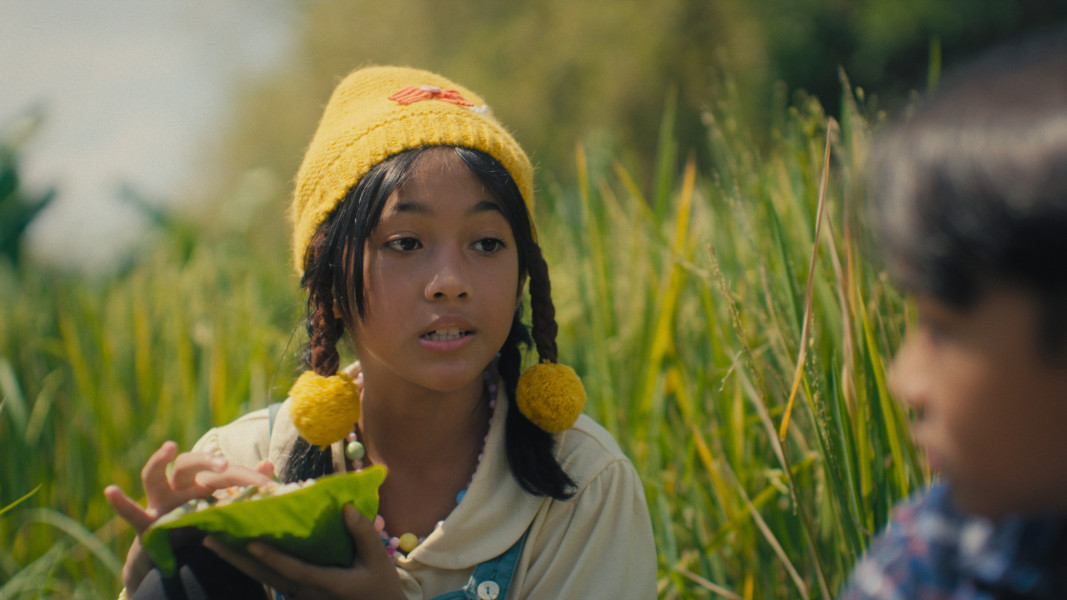
Cultural content related to environmental issues and conservation efforts, with a theme about fireflies currently available on the IndonesianaTV platform, is “Lintang & Kunang-kunang”. This content tells the story of a child named Lintang who has a unique story behind the name Lintang, which is inspired by the glimmer of light from fireflies. Driven by her curiosity and the lack of information about fireflies she has never seen in her life, Lintang invites her friends to clean up her home environment to invite the return of fireflies as they once were.
References
Darmawan, I Gede Surya et al. 2025. Masterplan Planning for Firefly Conservation Area with an Adaptive Architecture Approach in Taro Village, Gianyar Regency, Warmadewa University. Denpasar.
Subali, Bambang et al. 2013. Analysis of Biological, Chemical, and Physical Properties of Fireflies (Lampyridae). Graduate Program of Indonesia University of Education, Physics Science Study. Bandung.