



Takjil and Local Identity: The Flavors of Ramadan from Sabang to Merauke

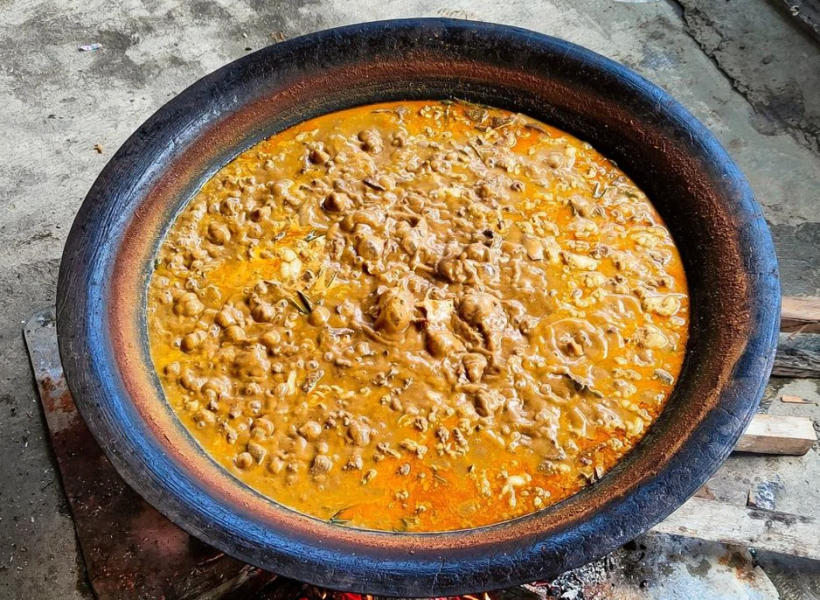
Ramadan in Indonesia never feels bland. The month is the same, the worship is the same, but the atmosphere of breaking the fast is always different in each place. In Aceh, people break their fast with beulangong soup or timphan. In West Sumatra, there are lamang and traditional Minang kolak. In Java, pop-up markets sell banana kolak, jenang, and es dawet. In Makassar, pisang ijo and es palu butung are the stars. In Papua, papeda and sago dishes remain part of the Ramadan culinary landscape. From Sabang to Merauke, takjil is a story about local food ingredients, trade history, and age-old customs.
Takjil is often considered simple. However, behind it lies a long chain of culture. Many types of takjil are born from the ingredients available in their respective regions. Coconut-producing areas are rich in coconut milk and brown sugar. Coastal regions combine fish or seafood. Sago-producing areas make it a staple food. The habit of breaking the fast also adjusts to what grows in their land.
Ramadan shows how local identity does not disappear even while participating in the same religious rituals. Islam came to the archipelago without erasing local eating cultures; instead, it blended with them. Takjil is the most tangible example. It is not rigidly regulated, nor is it standardized. Each region is free to celebrate its flavors.
Interestingly, in recent years, the phenomenon of hunting for takjil has become increasingly popular on social media. Ramadan markets have gone viral, and traditional snacks are being sought after again. On one hand, this is good news as it revitalizes the local economy and small businesses. The initial function of takjil is simple: to restore energy after a day of fasting. Therefore, many traditional takjil are made from natural sugars, coconut milk, or light carbohydrates. This combination is not coincidental; it is the result of a long experience of the community understanding the body's needs when breaking the fast.
Takjil also creates social spaces. Ramadan markets bring people together. People queue together, chat, and choose food for their families. There is an interaction that cannot be replaced by delivery apps. The tradition of sharing breaking-the-fast food with neighbors still persists in many areas. In this context, takjil changes its function, becoming not just personal consumption but a symbol of togetherness.
In the midst of the culinary globalization wave, this local identity needs to be preserved. It is not wrong to try modern desserts or trendy drinks when breaking the fast. However, when traditional takjil becomes less known among the younger generation, we must ask ourselves: Will local flavors survive if they only appear once a year?