



Adan Rice Sedan and Environmental Preservation

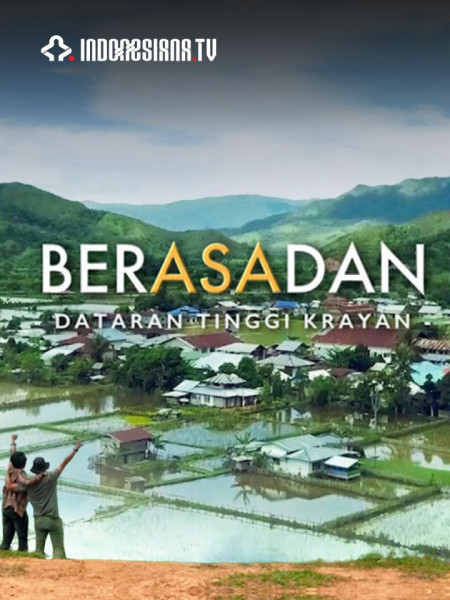
The balance of nature, which serves as a habitat for various living beings, is interconnected and contains mutualistic symbiosis within it. The soil, water, and other elements within it have regulated the life cycle to make it suitable for habitation and sustaining human civilization. A living knowledge system that becomes a tradition, when implemented, will extend the lifespan of the living environment of various creatures within an ecosystem.
Threats from illegal logging of protected forests, environmental pollution, and the destruction of water sources will gradually affect the future of humanity. The explosion of population numbers indirectly requires new areas as places to live. Nature conservation is not solely the responsibility of environmental practitioners and the government. Every human being has an equal role in caring for the environment where they live through small actions in their daily lives. Activities such as saving electricity and water, consuming eco-friendly products, providing open spaces for planting vegetation and trees in the yard, and other activities focused on environmental preservation. All these seemingly simple actions will have a positive impact on the environment.
Historical facts of life on earth have shown that natural resources, both biotic and abiotic, which require millions of years to develop and become the foundation for the survival of humanity, have undergone changes and degradation, with many declared extinct from the surface of the earth. These changes, damages, and/or extinctions of natural resources occur due to both natural factors and human actions. (Muntasib, 2020).
Creativity in utilizing natural resources must also be accompanied by preservation efforts so that the sustainability of these natural resources can last longer and continue to produce. A cultural approach to addressing these issues can serve as an option for environmental rescue and preservation. Knowledge about the environment and natural resources varies in each region depending on the biodiversity and non-biodiversity present in those places. The understanding of the community regarding this knowledge system is passed down through generations with the intention that future generations can continue to enjoy its sustainability. In short, traditional knowledge systems have been understood, such as their knowledge of weather conditions, humidity, soil content, irrigation systems, pest control, and so on through observations based on experience.
Sometimes, traditional living knowledge systems are more often used as guidelines when discussing development and utilization alone, but when it comes to preservation aspects, they are often sidelined. In fact, the traditional knowledge systems practiced by our ancestors are interconnected between preservation, development, and utilization without prioritizing one aspect over the others. Indeed, with the advancement of information technology and the spirit of the times led by young people, harmony between preservation, development, and utilization can proceed hand in hand and influence each other.
The IndonesianaTV Cultural Channel aims to preserve and promote Indonesia's diverse culture to the wider community, both domestically and internationally, through the airing of programs that highlight various aspects of Indonesian culture, such as arts, customs, traditions, and history. The IndonesianaTV Cultural Channel seeks to enhance public knowledge and awareness about Indonesian culture through educational and informative programs presented in an engaging and easily understandable manner for all audiences.
The cultural content related to forms of environmental preservation and their utilization currently available on the IndonesianaTV platform is “Adan Rice of the Krayan Highlands.” The program “Adan Rice of the Krayan Highlands” is a youth drama featuring the journey of a teenager visiting a friend in the Krayan Village of Nunukan, North Kalimantan. While there, he learns about the beauty and richness of natural resources, including the famous Adan Rice. Through interactions with friends and other youths, he is inspired by their vision to advance the village. With a spirit of collaboration, they strive to develop local potential through creative and sustainable initiatives. This story highlights friendship, the courage to dream, and the importance of environmental preservation, delivering a positive message about the role of youth in community development.
The airing of cultural content on the IndonesianaTV Cultural Channel is a form of good practice that is expected to provide educational information aimed at realizing a sustainable Indonesian culture that serves as a guide for future generations.
References
Muntasib, E.K.S Harini. 2020. Basic Concepts of Natural Resource Conservation in Module BIOL4227 – Fundamentals of Conservation (2nd Edition). Open University. South Tangerang.