



Classic Literature Never Goes Out of Style, Just Waiting to Be Read Again

The development of technology and the rapid flow of information have changed the habits of society in accessing reading materials. Amid the dominance of fast digital content, classic literary works often receive less attention, especially from the younger generation. Therefore, the organization of Sasana Sastra: Reading Classic Indonesian Literature by the Ministry of Culture is a commendable step as a form of commitment to preserving and reintroducing the wealth of Indonesian literature to the public.
The event, held to commemorate Indonesian Literature Day, has a broader significance than just reading literary works. The event brought together writers, artists, translators, academics, literary communities, and the younger generation in one space. The presence of national literary figures, such as Taufiq Ismail and Putu Wijaya, alongside various artists from different generations, demonstrates a shared commitment to maintaining the sustainability of the Indonesian literary ecosystem. This gathering not only serves as an appreciation of literary works but also as a space to connect experiences, broaden perspectives, and encourage the emergence of new ideas relevant to societal and cultural developments.

Through his voice and interpretation, Putu Wijaya brings the meaning of poetry to life in Sasana Sastra: Reading Classic Indonesian Literature
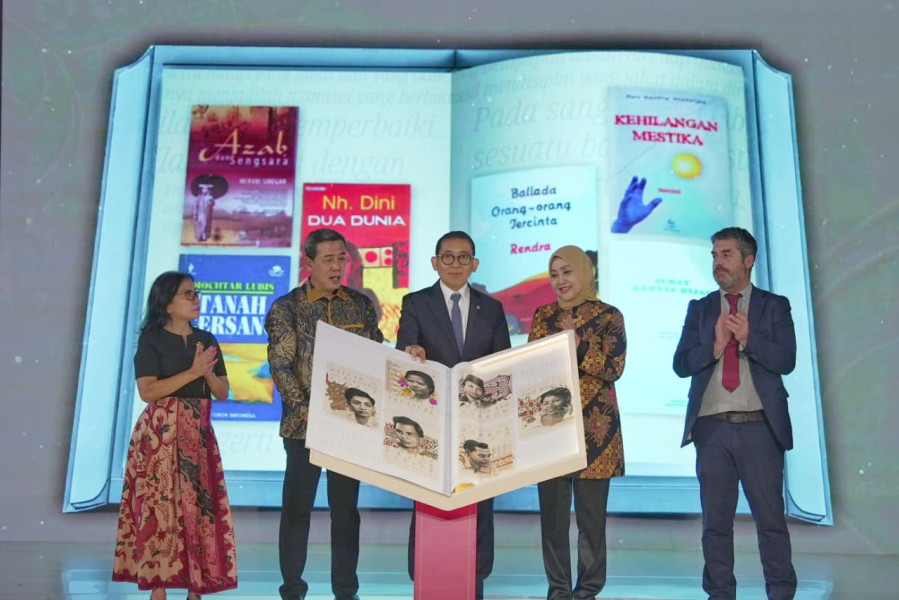
One of the significant achievements of this event is the launch of six classic Indonesian literary works that have been translated into foreign languages. The six works include Azab dan Sengsara by Merari Siregar, Dua Dunia by Nh. Dini, Tanah Gersang by Mochtar Lubis, Surat Kertas Hijau by Sitor Situmorang, Balada Orang-Orang Tercinta by W.S. Rendra, and Kehilangan Mestika by Fatimah Hassan Delais. The selection of these works reflects the diversity of generations, regions, and writing styles in the treasure trove of Indonesian literature that deserves to be introduced to the world.
The launch of these six works not only serves as a form of preservation of national literary heritage but also as part of a strategy to open up opportunities for the internationalization of Indonesian literature. Through translation programs, Indonesian literary works are expected to be present in libraries, cultural institutions, literary festivals, and international book fairs. This step is part of cultural diplomacy that introduces Indonesia's identity through literary works, allowing international readers to recognize the values of humanity, history, and culture contained within.
In addition to translating classic literary works, the Ministry of Culture continues to strengthen the literary ecosystem through various strategic programs. These efforts include nurturing literary communities, organizing literary festivals, developing translation laboratories and literary promoters, and providing a Translation Funding Program (TFP) for foreign publishers wishing to translate and publish Indonesian literary works. These various steps demonstrate the government's seriousness in expanding access to Indonesian literature on a global scale while providing a larger space for Indonesian writers to be recognized internationally.
Another interesting aspect is the concept of performances that combine literary readings with performing arts, music, and choreography. Such presentations can provide a more engaging experience for the public, so that classic literature is no longer viewed as works that are difficult to understand or only enjoyed by certain circles. On the contrary, literature is presented in a form that is closer, more communicative, and relevant to contemporary developments.
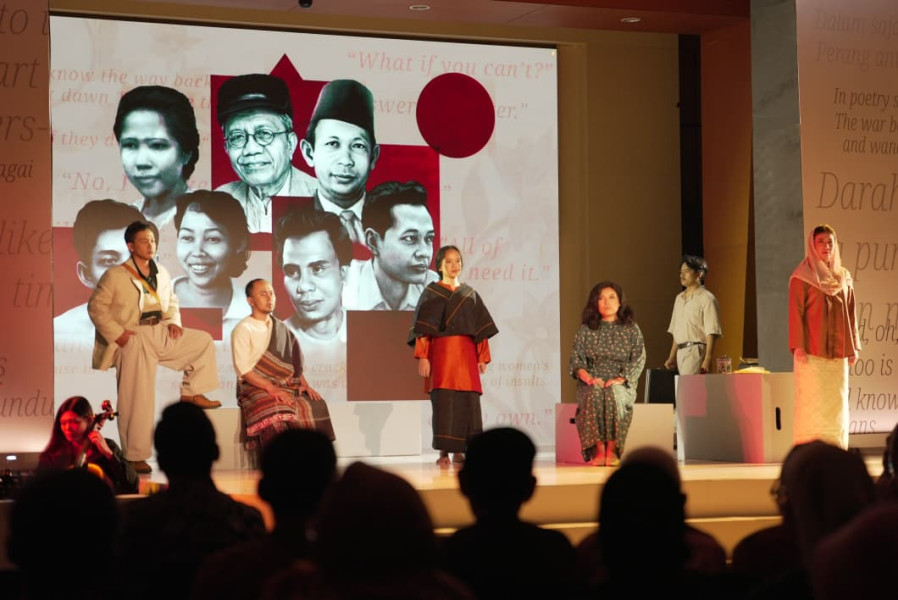
Sasana Sastra: Reading Classic Indonesian Literature presents literary works wrapped in communicative and captivating performing arts.
Moreover, classic literary works contain many messages about humanitarian values, the struggle, love for the homeland, and social life that are still relevant today. Reading these works does not mean nostalgic for the past, but understanding the experiences and thoughts of predecessors as a foundation for facing current and future challenges.
From the perspective of national cultural development, the preservation of literature is an important part of efforts to maintain national identity. Amid the increasing global cultural interactions, a nation that can care for its cultural heritage will have a stronger foundation in introducing its identity to the world. Therefore, the Ministry of Culture's policy of placing literature as one of the focuses of cultural advancement deserves support from various parties.
In the future, activities like Sasana Sastra: Reading Classic Indonesian Literature are expected to continue to develop by involving more groups, especially students, university students, literacy communities, and the wider public. The use of digital platforms can also be an effective means to expand access to classic literary works so that more young generations recognize and love Indonesia's literary heritage.
Ultimately, literature is not just a collection of written works but also a record of the nation's journey that contains values of life, history, and culture. Through the organization of this event, the Ministry of Culture demonstrates its commitment to preserving the continuity of Indonesian literary heritage while strengthening its position as part of national identity. This effort is a positive step in ensuring that Indonesian literature continues to live, develop, and be recognized not only domestically but also on the world stage.