



Land of Hope: Migration and Cultural Departure

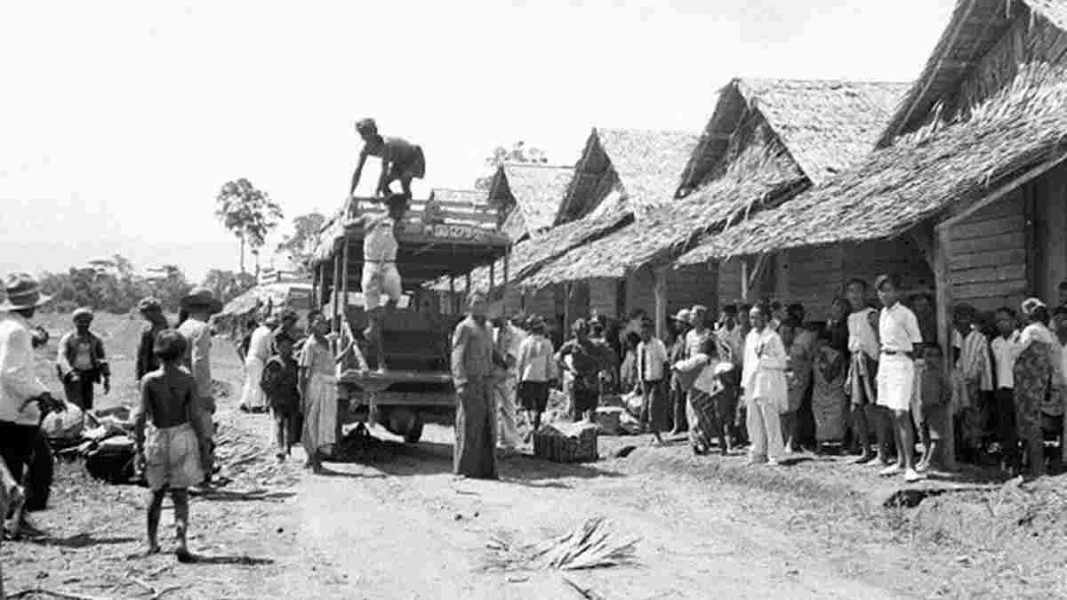
Migration is a form of population movement that occurs geographically and can happen between rural and urban areas, provinces, islands, and even between countries (Rusli, 2014 in Heriyanti et al., 2020). Migration occurs for various reasons, including the search for better livelihoods (Tamtiari, 1999; Sofyan, 2013; Tridakusumah et al., 2015; Sasongko & Wahyuni, 2013; Heriyanti et al., 2020), as a means to seek security and as an effort to save oneself from social conflict (Rahman, 2015 in Heriyanti et al., 2020), and as an adaptation effort to climate change (Hein & Faust, 2010; Black et al., 2013 in Heriyanti et al., 2020).
Transmigration is an Indonesian government program implemented to address issues related to population, equitable development, and community welfare. Transmigration has been occurring since the Dutch East Indies era under the name of the Colonisatie program, which was nationalized into transmigration by Sukarno in 1927 (Hardjono in Wahyuni et al., 2022). The idea behind transmigration during the Dutch colonial period aimed to reduce excess population and address economic issues on the island of Java while preparing cheap labor for mining and plantation companies and capitalist industries that had been and would be built outside Java through the mobilization of labor, such as the Ombilin Coal Mine in Sawahlunto and the Kayu Aro Tea Plantation in the Kerinci region of Jambi Province (Alimin in Wahyuni, 2019:116).
Since prehistoric times, migration has been a common practice in adapting to perceived environmental conditions. The nomadic lifestyle of moving around is a way to sustain the community's survival. Many sacrifices are made each time a decision is made to leave the homeland for a new area. The uprooting of cultural roots from the place of origin, along with its customs and way of life, is certainly a significant consideration for individuals and groups. The journey to a new area will undoubtedly bring along their habits and culture. In the new place, adaptation, acculturation, and assimilation occur with the new living and cultural environment.
The IndonesianaTV Cultural Channel aims to preserve and promote Indonesia's diverse culture to the wider community, both domestically and internationally, through the airing of programs that highlight various aspects of Indonesian culture, such as arts, customs, traditions, and history. The IndonesianaTV Cultural Channel seeks to enhance public knowledge and awareness of Indonesian culture through educational and informative programs that are packaged attractively and are easy to understand for all audiences.
Cultural content related to migration and territorial movement, along with the dynamics and encounters with new cultures currently available on the IndonesianaTV platform, is titled "Land of Hope." The "Land of Hope" program tells the story of a child facing a significant dilemma: having to move to a city that may be necessary to save something important. This decision reminds him of the brave steps taken during an emergency by Sukarno and Moh. Hatta, who moved the capital from Jakarta to Yogyakarta in January 1946 to safeguard the continuity of the newly independent Indonesia. In this high-pressure moment, the child strives to understand the meaning of sacrifice, hope, and the future, realizing that sometimes, change is the best step for a greater good.
The cultural content aired on the IndonesianaTV Cultural Channel represents a good practice that is expected to provide educational information, ultimately leading to the preservation of Indonesian culture and serving as a guide for future generations. Through its content, Indonesiana TV invites individuals to engage in addressing environmental issues and societal problems.
References
Wahyuni, Army et al. 2022. Preservation of Traditions and Cultures of the Transmigrant Javanese Community in Jambi Province (Historical Study and Local Cultural Values of Jatilan Art Unit V Sungai Bahar). JEJAK: Journal of History Education & History FKIP Universitas Jambi Vol. 2 No. 1, July (2022).
Heriyanti, Lesti et al. 2020. The History of Migration and the Livelihood System of Bugis Ethnic Migrants in the Diaspora (Case Study of Bugis Migration in Kampung Laut and Tanjung Solok Villages, Kuala Jambi District, Tanjung Jabung Timur Regency, Jambi Province). Journal of Society and Culture, Volume 22 No. 3 Year 2020