



Examining Wiraga, Wirama, Wirasa, and Wirupa in Dance

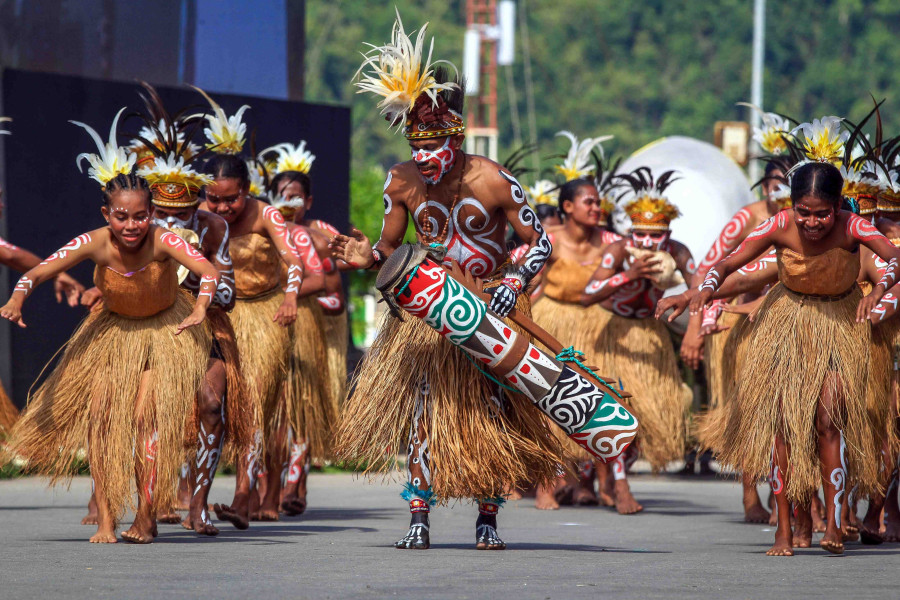
Dancing is essentially an expression of the soul through beautiful rhythmic movements. The combination of the main elements in dance, namely wiraga (movement), wirama (rhythm), wirasa (feeling), and wirupa (expression), creates dynamic visual beauty in expressing feelings, thoughts, ideas, emotions, stories, values, as well as social and cultural traditions.
Indonesia, with its rich diversity of tribes, ethnicities, cultures, and traditions, has thousands of dances spread from Sabang to Merauke. The original dances of Indonesia stem from a heritage of traditions rich in meaning and noble values of the nation's cultural wisdom.
Examining several traditional and contemporary dances of Indonesia, here is a review of some original Indonesian dances that highlight their uniqueness according to the main elements of dance as follows.
Wiraga (Movement)
Wiraga (or "raga") is the main element in dance. Why is that? Wiraga refers to dynamic, rhythmic body movements that possess elements of beauty (aesthetic). This element of dance showcases various movements, such as standing, sitting, jumping, and others.
Wiraga is a primary element because every dance must have a meaning that it wants to convey through its movements. The Serimpi dance from Central Java, for example, emphasizes gentle movements that create a magical and sacred atmosphere accompanied by the sounds of Javanese gamelan.
The movements of the Serimpi dance symbolize elegance, refinement of character, and depict the perfection of movement in inner tranquility, with a balance between strength and softness.
Wirama (Rhythm)
Wirama (or "rhythm") is the rhythmic movement performed by dancers to create harmony in beauty. This rhythm usually comes from the music played by the accompanying musicians.
A dancer or a group of dancers must be able to adjust their dance movements to the rhythm of the accompanying music. Not only the rhythm of the music must be unified, but dancers also need to follow the tempo of the music well.
One example of the wirama element can be seen in the Saman dance from the Gayo tribe. The Saman dance, often referred to as the "dance of a thousand hands," features fast and dynamic hand movements that seem to create thousands of hands moving in a unified rhythm.
The movements of the Saman dance include various hand, body, and head movements, such as clapping, shaking, kirep, lingang, and surang-saring. All of these are performed simultaneously following the rhythm and orderly group rhythm.
Wirasa (Feeling)
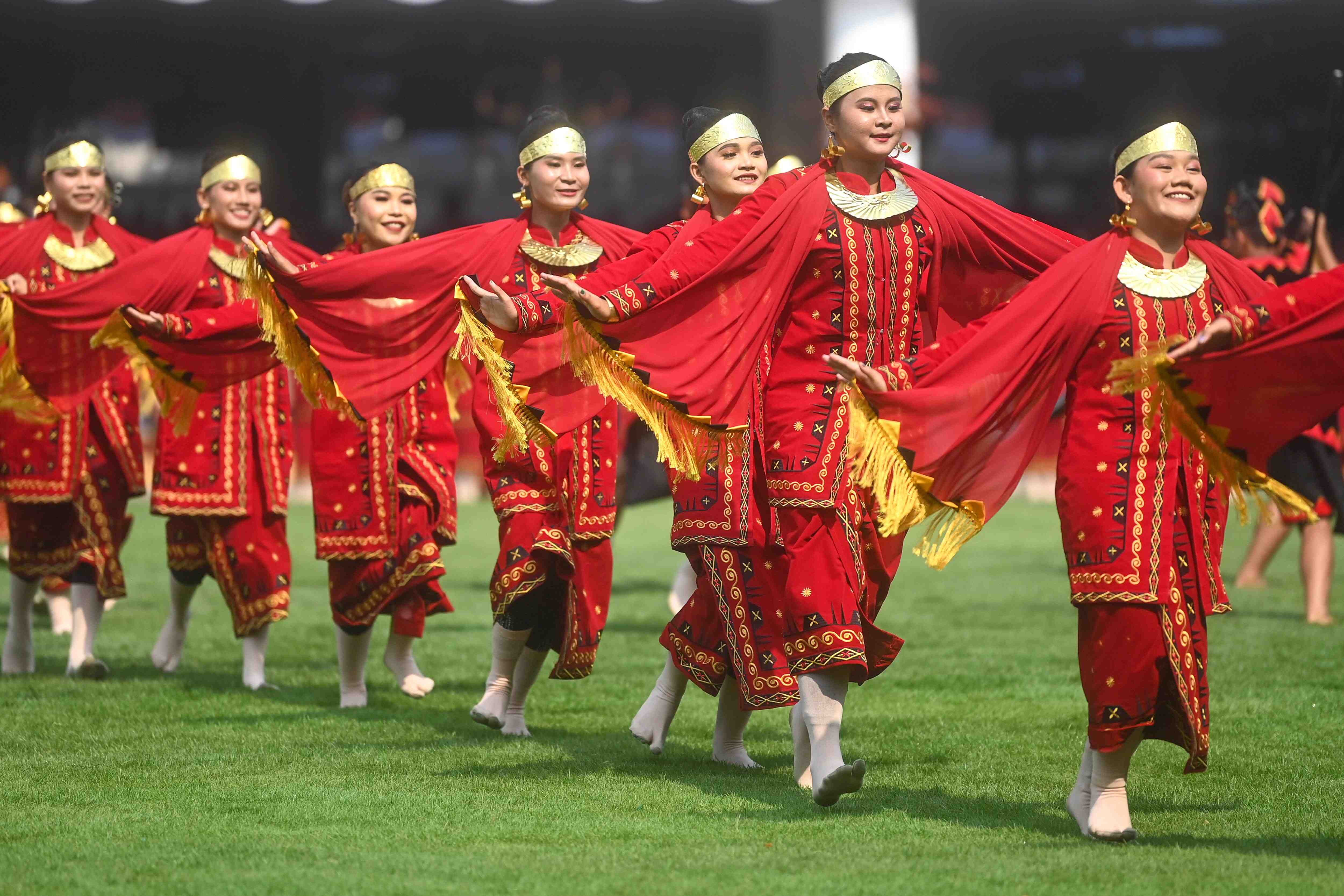
The next element is wirasa, which relates to feeling or emotion. A dance performed without feeling, even if it has beautiful movements, will not touch the hearts of the audience.
This feeling can be expressed through the dancer's expressions, both through flowing rhythmic movements and deep facial expressions. One example can be seen in the Yapong dance.
The Yapong dance is a contemporary creation from Betawi, created by Bagong Kussudiardja as part of Jakarta's anniversary celebration in 1977. The Yapong dance depicts the atmosphere of welcoming Prince Jayakarta.
It is said that Prince Jayakarta, named Fatahillah, wanted to seize the Sunda Kelapa port from the hands of the colonizers. This event is touted as the inspiration for the story in the Yapong dance.
The agile and energetic movements of the dancers seem to spread the spirit of joy during the colonial era. Initially, the Yapong dance was only performed at celebrations, but now its popularity continues to rise, making it one of the icons of Betawi performing arts.
Wirupa (Expression)
Wirupa (“rupa”) is interpreted as the form, shape, and expression of the dancers in a dance. The Dwimuka dance by Didik Nini Thowok is a solo dance performed by a dancer, presented using two masks simultaneously, one in front and one at the back of the head, creating various expressions as if there are two dancers in one body.
This Dwimuka dance is created by combining elements of Jaipong dance, Mask Dance, Pantomime Art, and traditional Balinese dance, characterized by improvisational movements and humor.
Didik Nini Thowok successfully combines elements of classical, folk, and modern dance, thus able to express the message "Traditional Cross Gender" which depicts two different human traits in one body. Dwimuka, which means "two faces," symbolizes the dualism character within humans, such as good and evil, as well as feminine and masculine in one soul.
The depth of meaning in dance is so profound that April 29 is designated as International Dance Day. This day was initiated to celebrate dance and rejoice in the universality of dance art that transcends political, cultural, and ethnic boundaries.
So, like dancers, let us blend our wiraga together, harmonized in a unified and compact wirama, united in one wirasa that is the same, to create wirupa from the noble values of Indonesia's cultural wisdom. Happy International Dance Day!
References:
Dwi, Andika. (2024, November 21). 4 Main Elements in Dance and Their Complete Explanation. Accessed on April 10, 2025 https://www.tempo.co/teroka/4-unsur-utama-dalam-tari-dan-penjelasan-lengkapnya-1171604
Fatimah, Sukma Wangi. (2022, August 12). Serimpi Dance, Cultural Art Since the Mataram Islamic Kingdom Era of Sultan Agung. Accessed on April 10, 2025. Cultural Office (Kundha Kabudayan) of the Special Region of Yogyakarta. https://budaya.jogjaprov.go.id/berita/detail/1227-tari-serimpi-seni-budaya-sejak-kerajaan-mataram-islam-masa-sultan-agung#:~:text=Tari%20Serimpi%2C%20merupakan%20tarian%20sakral,penyambutan%20tamu%20atau%20acara%20lainnya.
Humphrey, Doris. (1983). The Art of Arranging Dance. Translated by Sal Murgiyanto. Jakarta: DKJ.
Kamila, Alifia. (2024, April 28). International Dance Day Celebrated on April 29, Here’s a Brief History. Accessed on April 10, 2025. Detik. https://www.detik.com/jatim/berita/d-7314301/hari-tari-sedunia-diperingati-29-april-begini-sejarah-singkatnya
Kussudiarjo, Bagong. (1981). About Dance. Yogyakarta
Muthmainnah, Hani. (2024, October 23). "Saman Dance: Understanding Meaning, History, Function, and Floor Patterns". Accessed on April 10, 2025. Detik. https://www.detik.com/edu/detikpedia/d-7601563/tari-saman-memahami-makna-sejarah-fungsi-dan-pola-lantai.
Raden, Putri. Gramedia. Yapong Dance: Origins, Properties, to Floor Patterns and Movements. Accessed on April 10, 2025. https://www.gramedia.com/literasi/tari-yapong/#Asal_Usul_Tari_Yapong
Thowok, Didik Nini, (2021, September 8). Processing, enlivening, and giving meaning to a series of movements, that is the essence of a dancer. Accessed on April 10, 2025. https://didikninithowok.id/2021/08/09/tarian-khas-didik-nini-thowok/
Yapong, A Dance Offering for Jakarta. Accessed April 10, 2025. https://indonesiakaya.com/pustaka-indonesia/tari-yapong-tari-kontemporer-dari-jakarta/