



Producing Shows About Eggs

We have all heard the old statement and question, "Which came first? The egg or the chicken?" This topic has always sparked interesting discussions among various groups at every opportunity. So why is the central object in this statement always a chicken egg? Aren't there other animals in this world that also lay eggs, such as snakes, crocodiles, geckos, and others? However, the main focus of this article will not discuss those other animals, but rather how eggs from poultry such as chickens and ducks are so closely related to human daily life, both as a source of food and their involvement in cultural rituals of various ethnic groups around the world.
As food, eggs are a perfect source of nutrition because they contain nutrients needed for living beings such as protein, fat, vitamins, and minerals in sufficient amounts (Deptan, 2010). Suprapti (2002) also states that eggs are one of the sources of animal protein alongside meat, fish, and milk. Eggs contain high-quality protein because they have a complete composition of essential amino acids, making eggs a benchmark for determining the quality of protein in various food sources (Wardana, 2010).
Eggs are a source of animal protein commonly consumed by the public. In the slogan "four healthy, five perfect," it is stated that eggs are a highly nutritious side dish. Eggs are nutrient-dense food that tastes good, is easy to process, and is relatively inexpensive compared to other sources of animal protein. For children, teenagers, and adults, eggs are an ideal food that is very easy to obtain. Eggs have a complete composition of nutrients. To meet the animal protein needs of toddlers, it is sufficient to provide one egg (especially the yolk) every day, and for adults, it is recommended to consume three eggs each week. Pregnant and breastfeeding women require additional nutrition that can be met by eating two eggs daily. This is closely related to fetal growth and the formation of breast milk (ASI) for nursing mothers. In families with limited economic conditions, it is essential to continue consuming animal protein for health. Chicken eggs become the most suitable priority choice as a source of animal protein for families. Therefore, eggs are often considered a cheap, easily obtainable, and nutritious food source, making them a staple in various food products worldwide (Sahara, 2025).
Meanwhile, eggs as part of cultural traditions always symbolize a beginning (origin), such as the tradition of stepping on eggs in the Javanese and Sundanese tribes during wedding ceremonies. Breaking the egg is one of the traditions passed down from the Javanese community that is part of their culture. The tradition of breaking the egg has a symbolic meaning that depicts new life, fertility, happiness, togetherness, and good fortune for the bride and groom. On the other hand, this tradition also plays an important role in preserving local wisdom (Pratiwi, 2024).
Unlike other eggs, it is evident that chicken and duck eggs are very close to human daily activities, whether as a food source, cultural rituals, or even as a livelihood for farmers, whether for meat or egg production. This makes them an important part of activities and routines that ultimately become ingrained in all aspects of human life. From these two poultry animals, they influence the habits of society that are wrapped in cultural products such as folklore, visual arts, textiles, culinary, and others, including films.
The IndonesianaTV Cultural Channel aims to preserve and promote Indonesia's diverse culture to the wider community, both domestically and abroad, through programs that highlight various aspects of Indonesian culture, such as arts, customs, traditions, and history. The IndonesianaTV Cultural Channel seeks to enhance public knowledge and awareness of Indonesian culture through educational and informative programs that are packaged attractively and are easy to understand by all audiences.
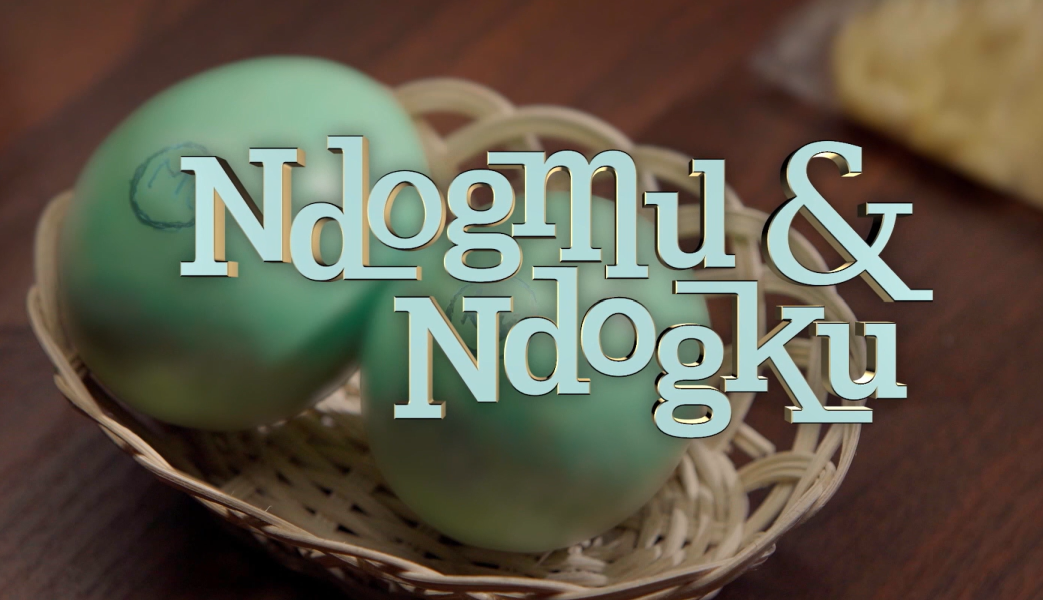
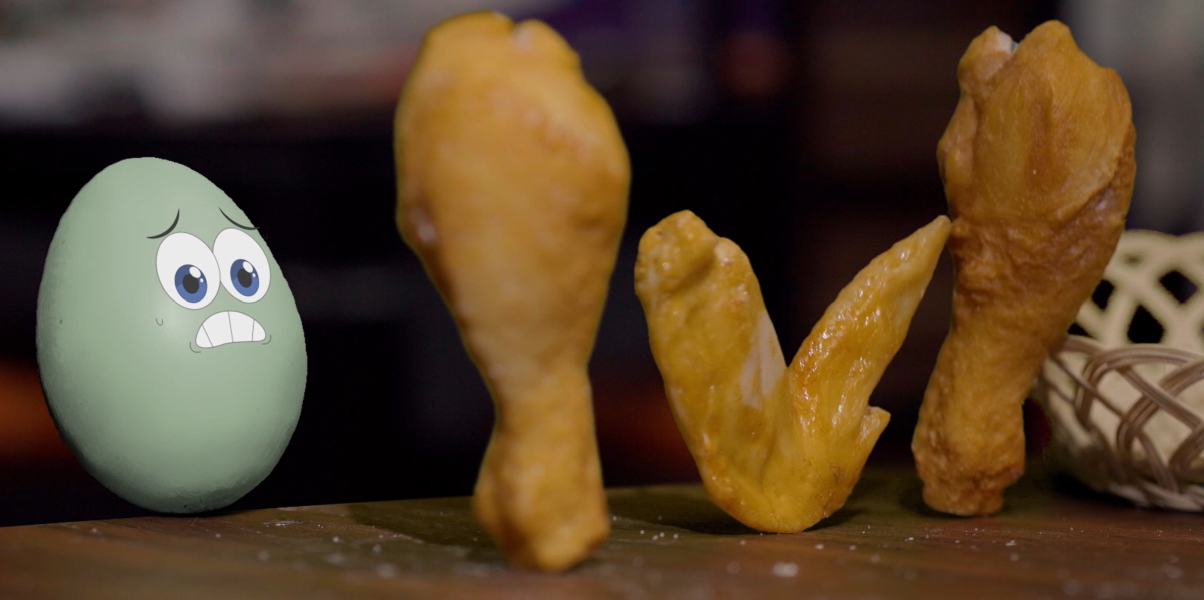
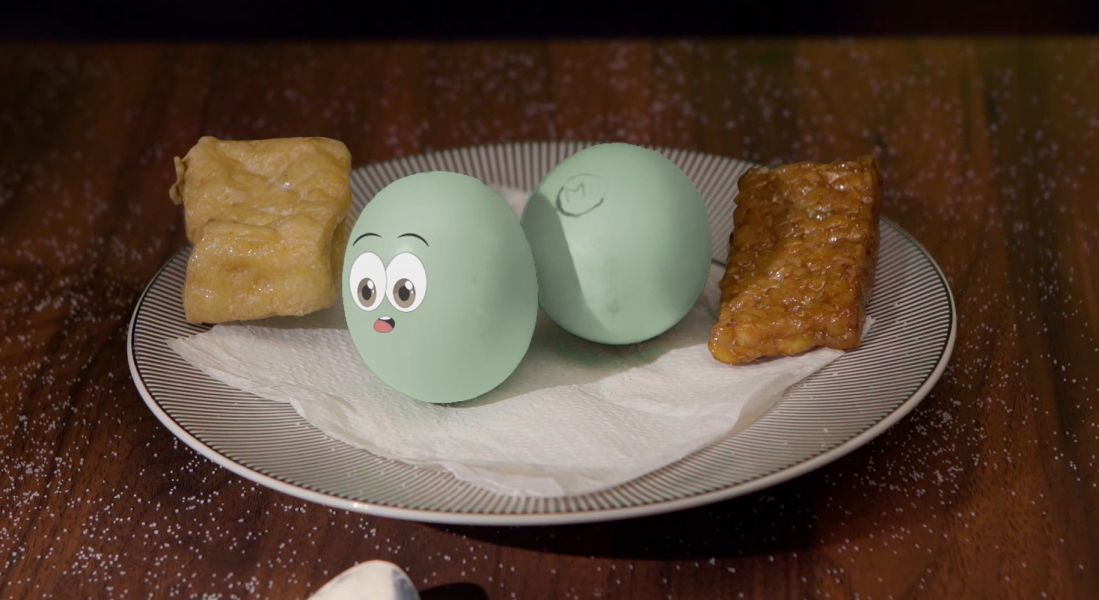
Cultural content related to eggs as part of the daily activities of society currently available on the IndonesianaTV platform is "Ndogmu & Ndogku". This content tells the story of two salted eggs playing together. They play tag, hide and seek, and jump with a spoon among a plate of tofu, tempeh, and a bag of items in a black plastic bag. Everyone is happy until the two salted eggs want to play with a box of fried chicken, but they are rejected and insulted. The fried chicken considers itself more popular and honorable than the two salted eggs. This leads to a "conflict" between the fried chicken and the salted eggs.
Ndogmu & Ndogku presents simple yet relatable daily activities. It depicts the atmosphere of the dining table as a space for human private activities with all its completeness besides the food itself. A simple yet meaningful show illustrating how the food objects presented are a source of life for the humans who consume them. The highest appreciation from humans to food sources conveys an important message that humans should not waste food. It is an interesting depiction for children to instill early on how food can sustain us.
The cultural content available on the IndonesianaTV Cultural Channel is a form of good practice that is expected to provide educational information that ultimately leads to the preservation of Indonesian culture and serves as a guide for future generations. A culture that is dynamic and follows the times will experience various changes, whether it be adaptive culture, adopted culture, assimilated culture, or acculturated culture.
References
Department of Agriculture. 2010. Q&A About Eggs as a Nutritious Food Source. Jakarta. http://www.deptan.go.id/pengumuman/nak032010/Booklet%20Telur. pdf.
Pratiwi, Mieyshellidya. 2024. The Role of the Egg Breaking Culture in Preserving Local Wisdom: A Case Study of the Plandaan Village Community, Tulungagung Regency. Sociology Education Study Program, Malang State University
Sahara, Eli. 2025. Eggs as Functional Food "Strategies to Improve Quality and Shelf Life". Sriwijaya University 2025
Suprapti, L. 2002. Egg Preservation (Salted Eggs, Egg Powder, and Frozen Eggs). 5th Edition. Yogyakarta: Kanisius.
Wardana. 2010. Eggs. http//kuliah-pangan77. Wordpress. com/ category/ uncategorized/.