



Diversity of Traditional Clothing in the Archipelago: A Cultural Preservation Strategy Amidst Globalization

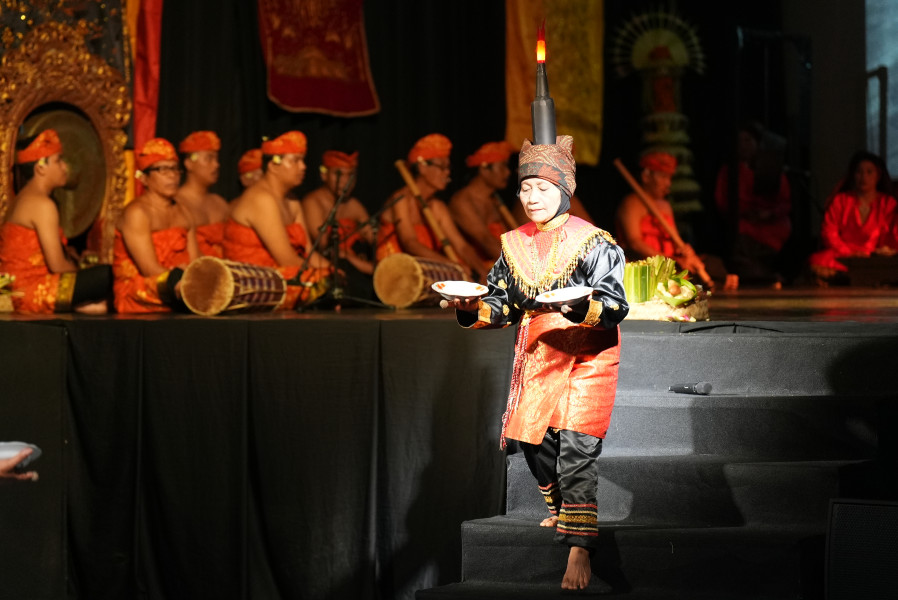
Diversity of Traditional Clothing in Indonesia: A Cultural Heritage That Needs to Be Preserved
Indonesia is renowned as a country with extraordinary cultural wealth, formed from thousands of islands and more than 1300 ethnic groups according to a survey by the Central Statistics Agency (BPS) of Indonesia. One of the tangible manifestations of this diversity is regional traditional clothing, which is not only traditional attire but also a reflection of identity, history, and the philosophical values of its people. Each motif and color holds deep meaning, from harmony with nature to symbols of social status. This article discusses this diversity and the strategies for its preservation in the modern era.
Imagine a cultural parade where each region showcases the uniqueness of its clothing. In Central Java, the kebaya and beskap symbolize the elegance of the Keraton, with the parang barong motif representing steadfastness. The Minangkabau ethnic group in West Sumatra showcases the baju kurung complete with a golden suntiang, reflecting a strong matrilineal system. Bali presents white kebaya and songket fabric for sacred rituals such as ngaben, while Papua with koteka and noken demonstrates adaptation to life in the wild. Sumba is equally stunning with brightly colored ikat weaving, and Batak with ulos full of symbolism. However, amidst the tide of globalization, the younger generation tends to forget this heritage in favor of fast fashion trends.
Lessons from South Korea: Hanbok as a Global Icon
For inspiration, look at South Korea and its hanbok. Unlike our ethnic diversity, Korea has successfully unified its national identity through hanbok, clothing from the Joseon Dynasty characterized by a wide chima skirt, jeogori jacket, and symbolic colors such as red for prosperity. Today, hanbok has evolved into a pop culture element featured in K-dramas like Crash Landing on You and many other films. Even tourist attractions waive entry fees for those wearing their traditional clothing.
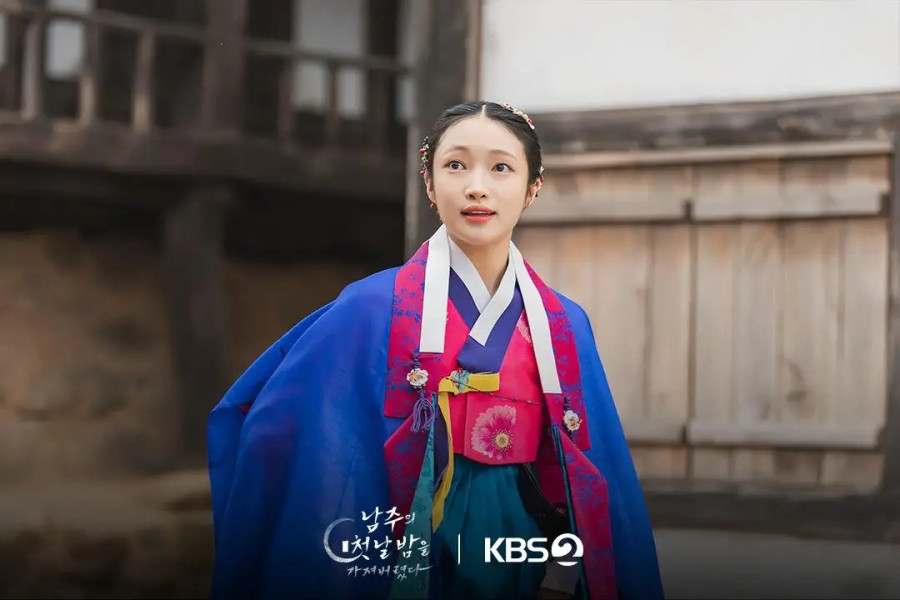
One scene from KDrama The First Night With The Duke (Source: IG KBS)
The Korean strategy has resulted in a significant economic impact, with the hanbok industry contributing profits from tourism and exports. Indonesia can emulate this: our batik has been recognized by UNESCO, now we just need to develop other traditional clothing like songket or ulos into fusion fashion products. A national festival themed around traditional clothing, combined with social media, has the potential to create a "soft power" similar to K-culture. The production of films featuring traditional clothing from the archipelago should be increased.
Preservation Strategies: Bridging Tradition and Modernity
The preservation of traditional clothing faces challenges from urbanization and digitalization, but solutions are at hand. Starting with education: schools should integrate traditional clothing learning through creative projects, then promote our museums like the Textile Museum in Jakarta by making their exhibition spaces interactive.
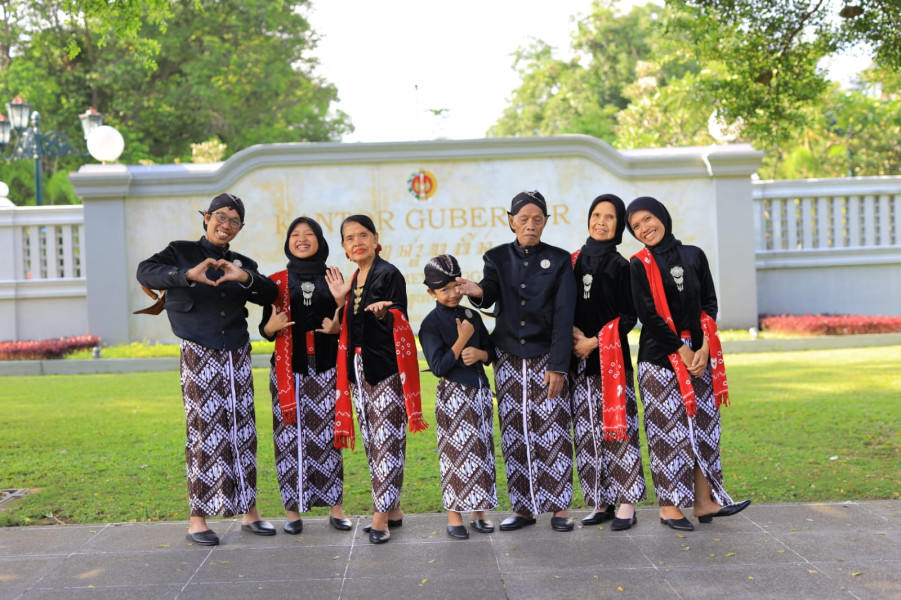
Modern steps are more dynamic. Digital platforms like TikTok and Instagram have sparked the #BajuAdatChallenge trend with millions of views, making it easier for Generation Z to engage with it in a fun way. Virtual Reality (VR) applications allow simulations of wearing traditional clothing from home. Like the hanbok in Korea, tourism enthusiasts in Jogja have also adopted their methods by offering street photography around Malioboro or the Yogyakarta Palace to showcase Javanese traditional clothing captured in photographs.
Towards a Sustainable Future
The diversity of traditional clothing is a valuable asset that strengthens Bhinneka Tunggal Ika. Like the hanbok for Korea, our Batik and traditional clothing can become a global magnet if managed innovatively. Let’s start with small steps: share the story of your regional traditional clothing on social media or support local artisans. In this way, the heritage of the archipelago will continue to live on and remain relevant.