



Indonesiana TV: It Will Not End, It Will Not Fade

Audiovisual Cultural Heritage and Human Civilization
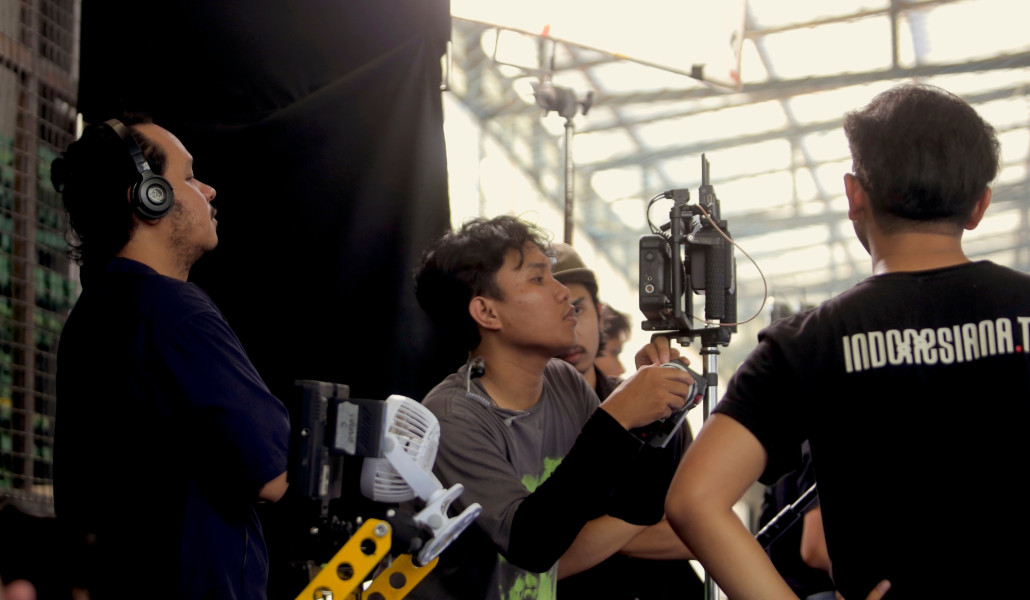
Human civilization has evolved from era to era. The remnants and cultural heritage, both tangible and intangible, from the simplest to the most complex, can be proven to exist. In ancient times, visual objects appeared in cave paintings, inscriptions, manuscripts, and so on, while in modern times, the remnants of civilization can be witnessed through audiovisual documentation such as films, videos, audio recordings, and television broadcasts, which are an important part of history and culture.
Unbeknownst to many, the audiovisual form of documenting cultural remnants is also considered a part of cultural heritage. While currently the value of an audiovisual object is seen merely as a form of data recording and a means of supporting efforts to preserve cultural heritage, in the future, audiovisual recordings will be part of human civilization's history. In terms of content, it is not contemporaneous with certain cultural heritage remnants, but physically, the works represent the lives of society, especially the development of human technology.
Audiovisual Heritage as a Source of Information and Preservation Activities
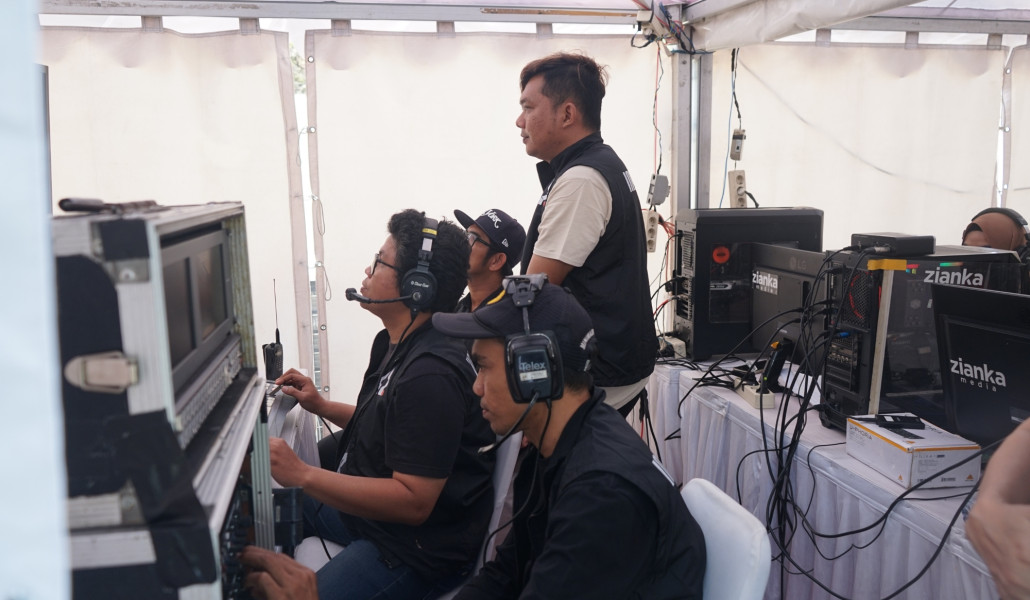
Recordings of life and the dynamics of society within a human civilization will become primary sources for study and reference in the future. What has been done by the Luxembourg Centre for Contemporary and Digital History (C2DH), located in Luxembourg, is quite interesting and can serve as a good model. C2DH is a research center developed by the University of Luxembourg that focuses on research to package quality information for the public regarding contemporary history in Luxembourg and Europe. C2DH develops multidisciplinary research with a special focus on the use of digital methods and cutting-edge technology in historical research and teaching. This technology-based method will facilitate the unraveling and reassembling of historical fragments scattered across primary historical sources. Cultural professionals, especially in the field of preservation, can understand the digital technology-based preservation processes to be developed in Indonesia. Although the technological development is not yet on par with that of C2DH, we can adopt it according to our needs and aspects that can be replicated in Indonesia. Another example can be seen in what the The International Association for Media and History (IAMH) is doing. IAMH is an international organization focused on research and knowledge development in the field of media history. Established in 1977 and developed by University College Cork in Cork, Ireland, it aims to enhance understanding of the relationship between media and history, as well as the role of media in social, cultural, and political developments throughout history. IAMH encourages collaboration among academics, researchers, and professionals from various disciplines interested in media and history studies. IAMH does not have a single permanent physical location, as it operates internationally. However, activities such as conferences and meetings are often held in various cities around the world. This organization is global and has members from various countries. IAMH plays an important role in introducing new approaches in media history studies and enriching our understanding of the role of media in shaping historical events. The organization helps build academic and professional networks worldwide and contributes to the development of theories and methodologies in the field of media history.
Both research institutions have successfully linked how audiovisual recordings can be both subjects and objects of cultural heritage. Viewing the development of human civilization holistically through audiovisual recordings will provide a complete picture of the past while making it easier for future generations to study the current civilization.
Indonesiana TV as Audiovisual Cultural Heritage
The rapid development of cultural media in line with technological advancements necessitates the management of cultural media. In accordance with the mandate of the Cultural Advancement Law, public access to reliable and credible sources of knowledge about Indonesian culture, created with thoughtful wisdom, is essential. The existence of a dedicated channel showcasing cultural content in a creative and inspiring format aims to encourage public interest in knowledge about culture.
The Cultural Media Center through Indonesiana TV plays a strategic role and function as a provider of knowledge and public information regarding culture, especially concerning cultural heritage, cultural sites, and objects of cultural advancement. Indonesiana TV serves as an integrated media platform to consolidate the publication of content in a programmed, permanent, systematic, and integrated digital media format to achieve the goal of expanding access and increasing the audience for the Ministry of Culture's content.
Digital media will continue to evolve and become an inseparable part not only for the youth but for all generations today. A digital media platform is clearly needed so that the socialization and publication of content, which has been carried out through disconnected channels from various Work Units and Technical Implementation Units of Culture, can integrate and synergize into a single communication and information force that has a greater impact on society. The existence of a cultural channel with a digital media platform also addresses some issues regarding the uneven distribution of cultural experts and educators, the uneven distribution of cultural activities, and the lack of public involvement in government work in the field of culture.
The position of the digital cultural channel as a medium for expressing cultural activities is increasingly needed by both the Indonesian public and culture enthusiasts worldwide. The digital cultural channel also plays a strategic role in Indonesia's cultural diplomacy to the international community. Therefore, the position of the cultural channel in the form of digital media has a significant role in the work of cultural consolidation. Four main challenges in managing cultural media channels are the standardization of quality in terms of production, broadcasting, and the protection of intellectual property rights of content. All of this requires individual skills, team managerial capabilities, understanding of legal aspects, and the ability to adapt to the continuously evolving digital technology infrastructure.
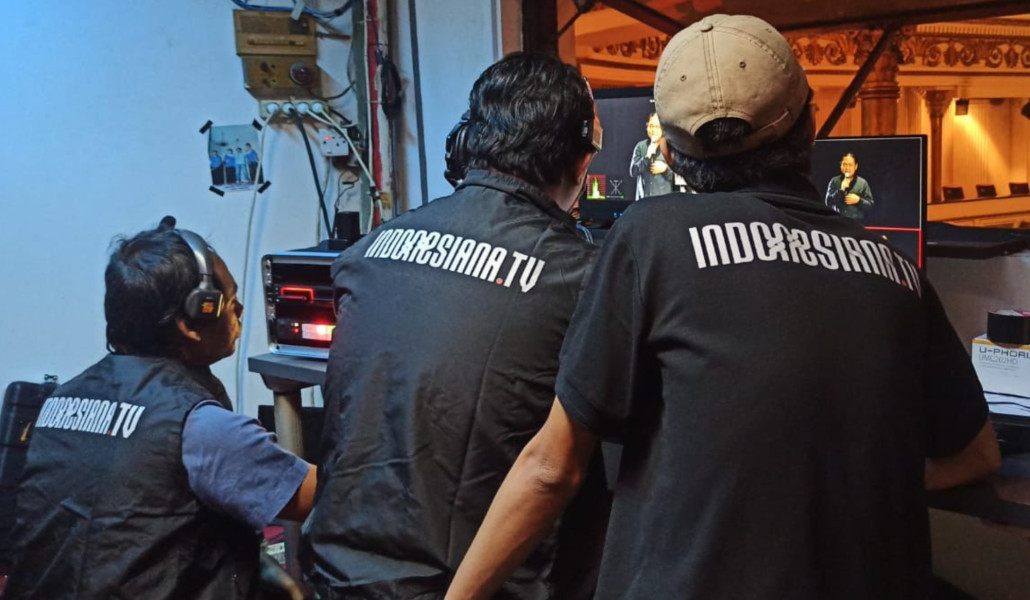
Indonesiana TV broadcasts audiovisual content through its website (OTT streaming and video on demand) and applications. In fact, in this application form, it is the first in Indonesia to present cultural content. What is presented on Indonesiana TV not only showcases cultural remnants from the past but also documents the vibrant activities of preservation, development, and utilization that are continuously carried out from generation to generation.
The challenges ahead are approaching, and the direction of cultural media management is seeking its path. Is the current practice solely focused on gathering preservation activities, or is it preparing Indonesiana TV as a complete audiovisual cultural heritage? Until in the future, it becomes a tangible and intangible cultural heritage that receives global recognition, as a product of thought and good practices carried out by us, the current generation.