



Extinct Animals and the Dreams of Children That Disappeared

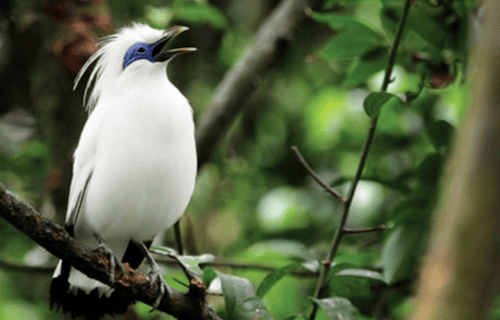
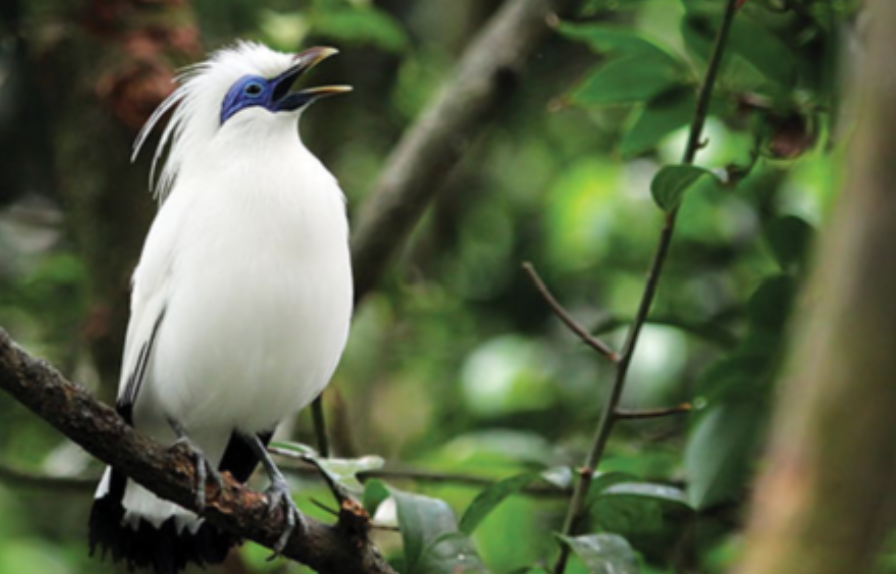
1. The Bali Starling (Leucopsar rothschildi) is one of the species categorized as endangered (IUCN) (Nature et al., 1996), Appendix I (CITES) (van Balen et al., 2000), and is protected by the Indonesian government (van Balen et al., 2000). The National Park authorities have a special breeding facility as a center for the development of the Bali Starling, namely the Special Management Unit for Bali Starling Development (UPKPJB) at the Tegal Bunder Resort of the National Park Management Region II since 1995 (BTNBB, 2013). The National Park, in collaboration with the Bali Starling Breeder Association (APCB), is attempting a soft release technique (BTNBB, 2013). The soft release is conducted by providing treatment before the release, including feeding, water, and tether birds around the release site (BTNBB, 2013). This aims to reduce mortality rates and allow the newly released birds to be observed (Rianto, 2006; BTNBB, 2013).
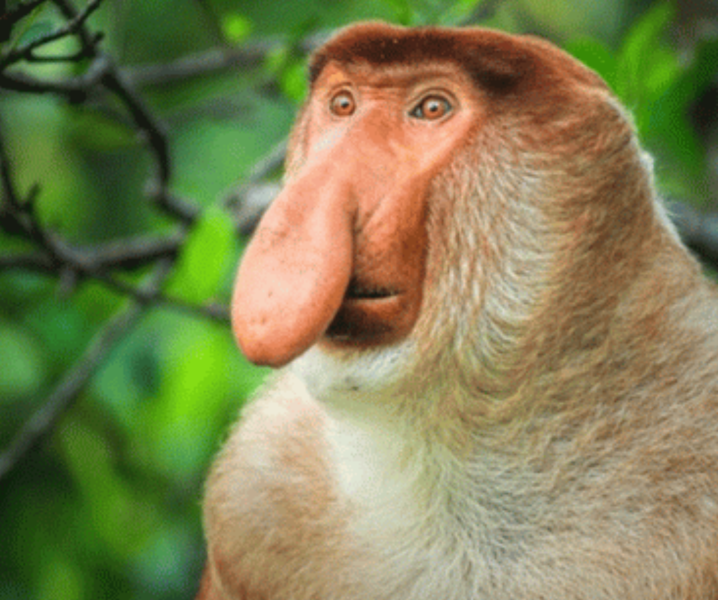
2. The Proboscis Monkey (Nasalis larvatus Wurmb.) is a primate of the Colobine subfamily endemic to Borneo. In Indonesia, the proboscis monkey is classified as a protected species (Government of Indonesia, 1999), its condition is critical (endangered) and facing extinction (Meijaard et al., 2008), and it is categorized as a species prohibited from international trade (http://checklist.cites.org). As a rare protected species, the proboscis monkey is one of the priorities for conservation in Indonesia, targeting a population growth of 10 percent from 2015 to 2019 (Government of Indonesia, 2015). This is based on the increasing threats to the existence of the proboscis monkey in the wild. The biggest threat currently faced by the proboscis monkey is habitat loss and degradation (Atmoko, 2012a). Its habitat, which is generally located along riverbanks, is very vulnerable to functional changes. This is because riverbank forests are easily accessible via river transport. Additionally, tidal and mangrove areas are often converted into fish or shrimp farming areas. Research activities on proboscis monkeys in their natural habitat are relatively difficult to conduct. Their habitat, which is generally located in tidal areas and dense vegetation, poses challenges for research.
Cultural Approaches in the Conservation of Protected Wildlife
Since childhood, we have often been shown images or presentations about the introduction of animals, both those around us and those in the wild. These depictions spark the child's curiosity, compelling parents to get to know these animals better by visiting zoos, breeding centers, or other locations. This interest usually culminates in a fondness and obsession, making them a favorite animal.
Instilling messages and information from an early age in efforts to conserve protected and endangered animals leads to expectations and desires to be involved in maintaining the populations of these animals in their own ways. World Animal Day is intended to create a movement for the protection of protected animals. Animals that have completely gone extinct represent a failure of generations in preserving the survival of these animals in their habitats. Human greed in preserving the existence of animals that are now gone is something we are aware of. The dreams of children in the past change direction as they enter adulthood. The dynamics that develop ultimately change awareness and childhood dreams.
Now, we will never see those extinct animals again. So, what lies ahead? Will the dreams of children today, after being introduced to the diversity of fauna as they grow up and wish to realize their dreams of seeing their dream animals firsthand, be unfulfilled because those animals are already extinct? A reality and a vision of longing.
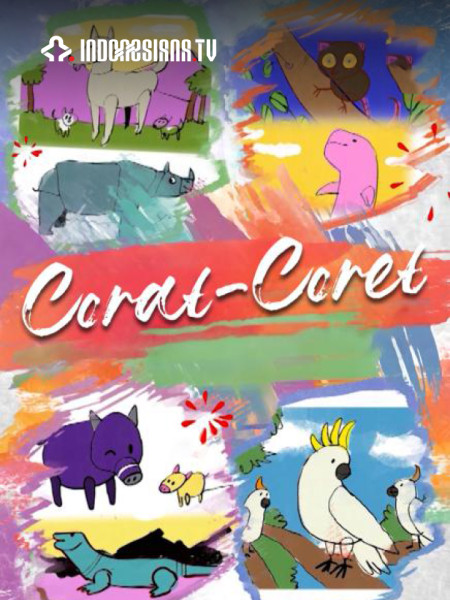
The Cultural Channel Indonesiana.TV aims to preserve and promote Indonesia's diverse culture to the wider community, both domestically and internationally, through the airing of programs that highlight various aspects of Indonesian culture, such as arts, customs, traditions, and history. The Cultural Channel Indonesiana.TV seeks to enhance public knowledge and awareness about fauna through artistic approaches via educational and informative programs presented in an engaging and easily understandable manner for all audiences.
Cultural content related to the arts and its connection to the knowledge systems of society currently available on the platform Indonesiana.TV is “Doodle Drawing with Kak Lala”. The program “Doodle Drawing with Kak Lala” invites children to learn various knowledge through enjoyable drawing methods. Episode 2 “Bali Starling and Bali Temple” and Episode 3 “Proboscis Monkey and Sape Musical Instrument” are forms of educational programming and good practices expected to provide educational information that ultimately leads to the preservation of Indonesian culture and these protected animals, serving as a guide and good example for future generations.
References
Pramatana, Fadlan et al. 2021. Potential Habitat of Bali Starling (Leucopsar rothschildi) in West Bali National Park in Wana Lestari Journal Vol. 3 No. 01 June 2021
Atmoko, Tri. 2015. State of the Art Research and Conservation Efforts for Proboscis Monkey (Nasalis larvatus) in Kalimantan in Wildlife Management as a Natural Resource Conservation Effort. Proceedings of the Seminar on Research Results from the Natural Resource Conservation Technology Research Center, November 5, 2015.
Bali Starling Image: https://jagatsatwanusantara.id/satwa/jalak-bali/
Proboscis Monkey Image: https://indonesia.go.id/kategori/nasional