



From Malamang to Munggahan: A Variety of Traditions Welcoming Ramadan in Indonesia

As evening approaches, the aroma of kolak begins to waft from the kitchens. In some villages, children wait for the drum with sparkling eyes, while in other places, people quietly visit graves, scattering prayers over family tombs. Ramadan in Indonesia is always preceded by a series of customs passed down through generations, a way for the community to cleanse their hearts before the fasting month arrives.
In many regions, welcoming Ramadan is not just about the changing Hijri month, but also about gathering, sharing meals, and forgiving one another. These traditions have different names, but the purpose remains the same. Preparing oneself so that not only the stomach fasts, but also the heart is cleansed.
Megengan in East Java
In several areas of East Java, especially Surabaya, Gresik, and Lamongan, the community knows the tradition of Megengan. The word "megeng" in Javanese means to hold back, referring to the practice of restraining desires before truly entering the fast. A few days before Ramadan, residents usually gather at the musala or the house of the village elder. They bring blessed rice, apem cakes, and simple side dishes. Prayers are offered together for the souls of deceased family members, and then the food is shared and eaten together. Apem is almost always present. This round cake is believed to symbolize a plea for forgiveness. People shake hands afterward, creating a small moment to mend relationships that may have been strained over the past year.
Munggahan in West Java
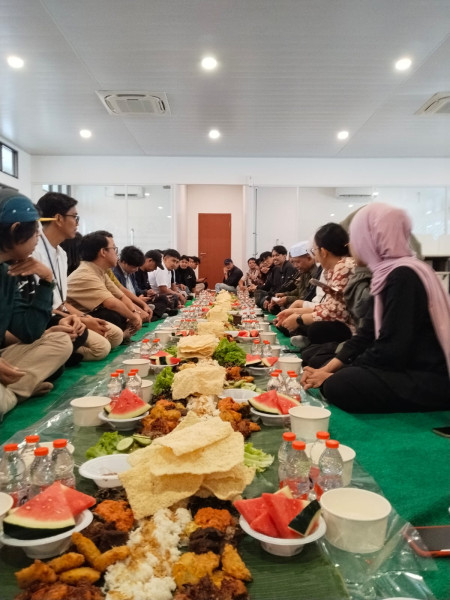
Doc BMK: Munggahan
In West Java, a different atmosphere is felt through Munggahan. This word comes from "unggah" which means to rise. Its meaning is to ascend to a spiritually cleaner state. This tradition is often carried out by having a meal with extended family or close friends. It doesn’t have to be lavish. Simple dishes like liwet rice, sambal, salted fish, and vegetables are enough. What matters is not the menu, but the gathering. People who rarely return home make an effort to attend, and those who have had disagreements try to ease the atmosphere.
Nyadran in Central Java and Yogyakarta
In Central Java and Yogyakarta, the community practices the Nyadran tradition. Residents visit the graves of their ancestors, clean the burial sites, and then hold a prayer together. The usually quiet graves suddenly become lively. People bring flowers, water, and brooms. Children help out, sometimes asking about who is buried there. Unknowingly, they are being taught about their family origins. After the prayers, the food brought is shared. It is not uncommon for strangers to sit side by side and eat from the same dishes. Ramadan also begins with remembering those who have passed.
Meugang in Aceh
Outside of Java, specifically in Aceh, Ramadan is almost synonymous with Meugang. The meat market suddenly fills up. Residents buy beef or goat to cook at home. Even families with limited finances strive to serve meat dishes on this day. The meat is then prepared as curry, gulai, or Acehnese rendang. The food is not only for their own family. Some is shared with neighbors, relatives, or orphans. Meugang becomes a symbol of sharing before entering the month of self-control. In many homes, the aroma of spices spreads to the streets. Passersby can guess that Ramadan is just days away.
Malamang in West Sumatra
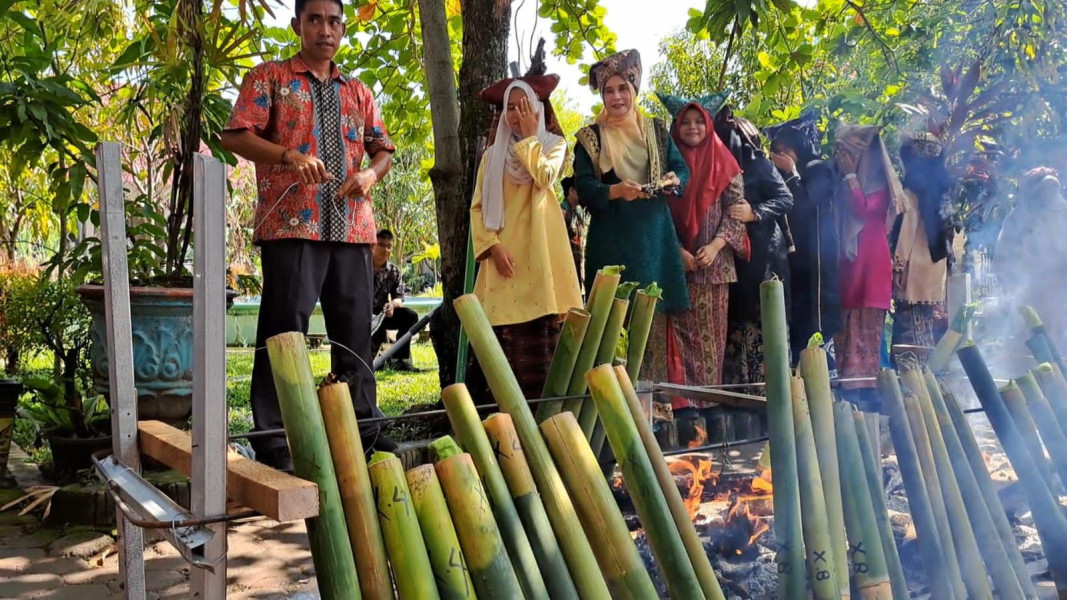
In West Sumatra, the Minangkabau community knows Malamang. Residents cook lamang, glutinous rice placed in bamboo and roasted over hot coals. The process is lengthy and done together. Men usually prepare firewood and bamboo, while women prepare coconut milk and glutinous rice. Smoke billows from morning until afternoon. While waiting for it to cook, they chat, joke, and even settle village matters. Lamang is then shared with relatives and neighbors. It tastes savory and slightly charred on the skin, but the main value lies not in the taste, but in the togetherness during the cooking process.
The various ways of welcoming Ramadan in Indonesia show a common pattern. Before fasting, the community first mends social relationships. They eat together before refraining from eating, gather before increasing personal worship, and remember others before exercising self-control. Behind the prayers and dishes, there is a simple message. Fasting is not just about abstaining from hunger, but learning to live alongside one another more gently. Therefore, Ramadan in Indonesia always feels warm even before the holy month arrives. It is where culture and faith meet, nurturing relationships, fostering empathy, and reinforcing the value of togetherness. May every step towards the holy month always be accompanied by pure intentions, open hearts, and courteous attitudes, so that Ramadan is not just a marker of time, but also a reinforcement of identity and civilization.
Source references:
https://sahabat.pegadaian.co.id/artikel/inspirasi/punggahan-adalah
https://acehprov.go.id/berita/kategori/serba-serbi/50-tradisi-makmeugang-di-aceh
https://www.budayaaceh.com/wbtb/malamang/105