



Not Just a Tale for an Ordered Life: From Oral Tradition to Digital Literature

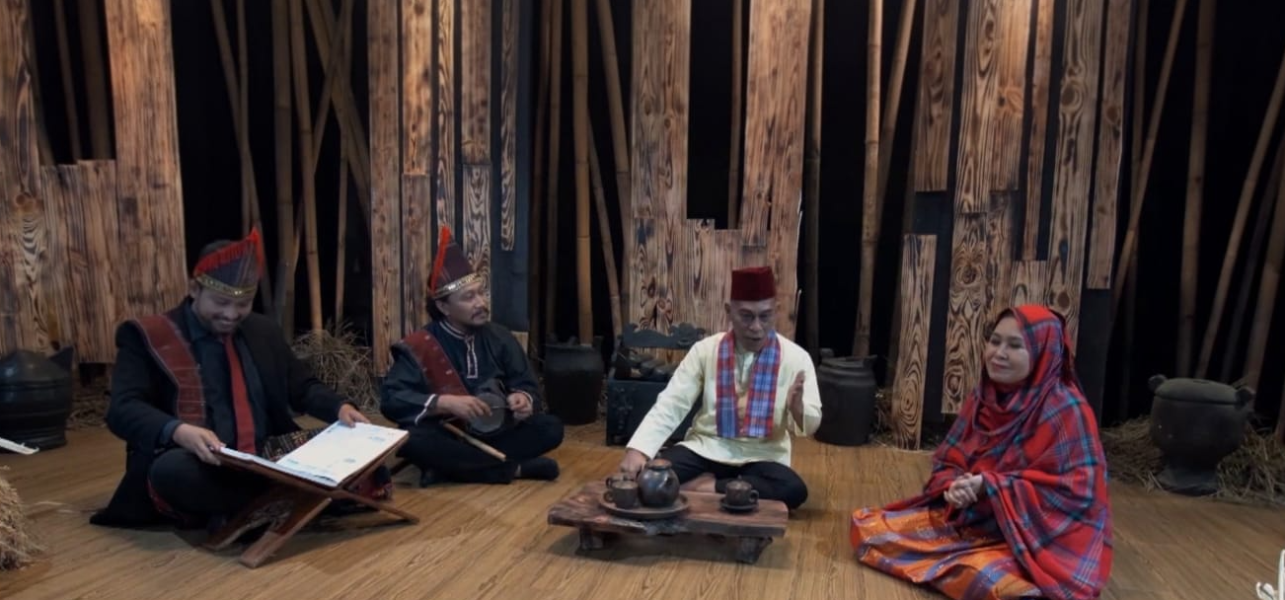
Folktales are stories that originate from society and develop within it over time, becoming characteristic of each nation with its own cultural heritage and history. Folktales are divided into myths, legends, and fables (Dananjaya, 1991:22). The diversity of customs and cultures in Indonesia has created an extraordinary wealth of cultural values and literature, including ancient literature. Our ancestors created and passed down these cultural and literary values through oral tradition from generation to generation. The ability of our ancestors to convey knowledge and beliefs orally is very strong, allowing us as their successors to still understand and appreciate this cultural heritage. Various aspects of life, from language, literature, beliefs, knowledge, to forms of culture, have been conveyed orally and serve as evidence of the intellectual and cultural wealth of our society (Casim, 2018).
Folktales such as myths, legends, and fables can remain sustainable because they are retold from generation to generation. This is fundamentally because the messages they convey are relevant to the tastes of the times and related to the daily lives of the generations. The presentation format is also certainly tied to popular trends of each era. Myths, legends, and fables contain records of life in the past that generally depict the lives of the community, social issues, and various dimensions of life experienced by society in the past. At a time when information channels were still simple, storytellers played a role in sharing information or educating community members. Folktales at that time could serve as a guide for living in society and perpetuating the survival of civilization for a life full of order.
Today's generation is fortunate because civilization has begun to enter a new period as it starts to recognize writing, allowing folktales that were originally preserved through oral tradition to be revived through digital technology. So, can folktales that were once merely mythical stories survive in an increasingly advanced era of thought? The mythical stories that were once mysteries can sometimes find scientific answers. How can folktales rich in values still be accepted alongside the development of the times? Through the Cultural Advancement Law No. 5 of 2017, cultural practitioners are given the freedom not only to preserve but also to develop them in accordance with the times and current social realities.
The understanding of the application of the Cultural Advancement Law No. 5 of 2017 should not be interpreted as preservation, development, and utilization of culture as if it were merely transferring contemporary life to resemble what happened in the past. Nor should the current generation be required to physically use everything that is a remnant of the past. The creative process based on the needs of the times using traditional models or media with modern touches can be a solution for how preservation aligns with development and utilization. Intangible cultural heritage can remain sustainable with modern touches and needs. The ways in which storytellers convey implicit messages from a folktale can be modified with contemporary thinking and creativity.
The IndonesianaTV Cultural Channel aims to preserve and promote Indonesia's diverse culture to a broad audience, both domestically and internationally, through programs that highlight various aspects of Indonesian culture, such as arts, customs, traditions, and history. The IndonesianaTV Cultural Channel seeks to enhance public knowledge and awareness of Indonesian culture through educational and informative programs that are packaged attractively and are easy to understand for all audiences.
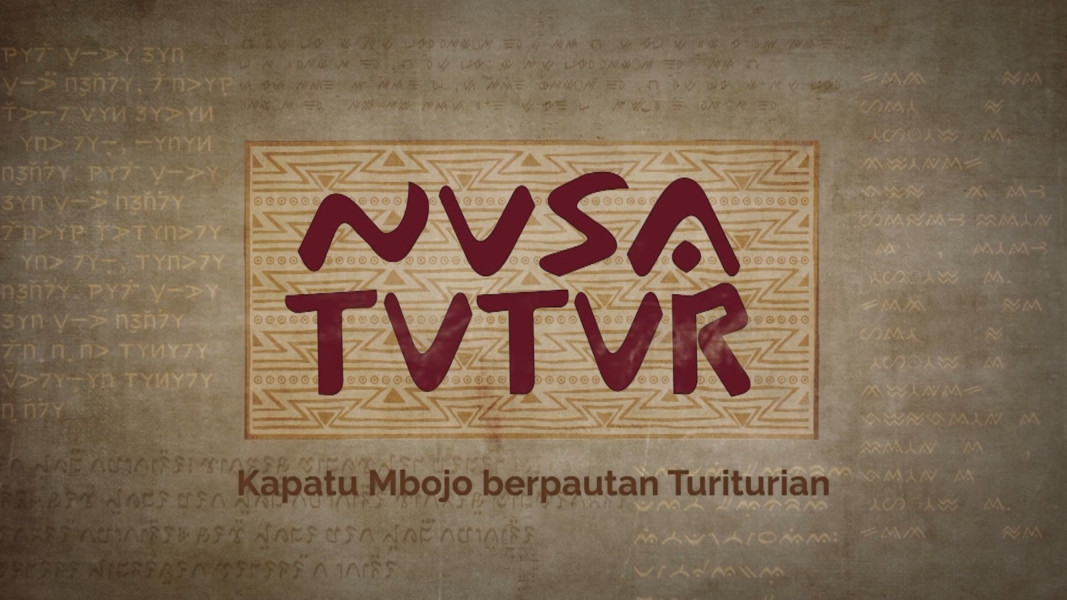
Cultural content related to oral tradition as part of the daily activities of society currently available on the IndonesianaTV platform is "Nusa Tutur". One of the cultural heritages of the past is oral tradition. This cultural heritage takes the form of messages or testimonies passed down orally from one generation to the next. The way the messages are conveyed can be through stories, speeches, songs, poetry, advice, folktales, ballads, and much more. Each region has its own uniqueness and characteristics in every oral tradition. Unfortunately, because this tradition is conveyed orally, not many have recorded or preserved it, leading to a gradual loss of this culture. In the Nusa Tutur program, viewers will receive messages about current issues conveyed through dialogues in the language of their local culture and wisdom. Guided by a host and featuring two groups of oral artists from two regions with their own styles and languages. Nusa Tutur aims to create a shared space to nurture Bhinneka Tunggal Ika, for a happy Indonesia.
The cultural content broadcasted on the IndonesianaTV Cultural Channel is a form of good practice that is expected to provide educational information that ultimately leads to the sustainability of Indonesian culture and serves as a guide for future generations. A culture that is dynamic and follows the development of the times will experience various phenomena, whether adaptive culture, adopted culture, assimilated culture, or acculturated culture. If in the past products of oral tradition were conveyed as the primary source of information and were one-way, the digital content that is now widespread opens up new discussion spaces. Issues and social critiques of phenomena conveyed to the public can become topics of conversation.
References
Casim, Casim. 2018. Study of Structure and Educational Values in Folktales in Tasikmalaya Regency and Its Relevance to Literature Learning in Grade VII Semester 2 of Junior High School. Dissertation. Muhammadiyah University of Purwokerto.
Dananjaya, James. 1991. Indonesian Folklore, Gossip Science, Fables, and Others. Jakarta: PT. Pustaka Utama Grafiti.