



Culture and Environmental Security

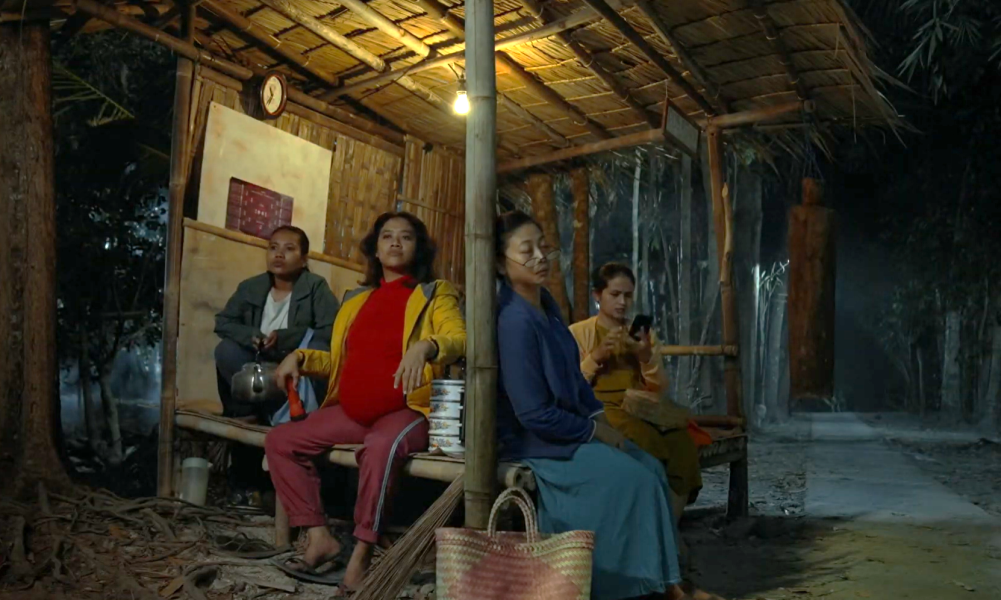
Society and its environment have an inseparable bond in all aspects. In terms of security, it can be examined at least from two approaches, namely security in daily life and security regarding the existence of that society. Security in daily life can be said to be a guarantee that the daily lifestyle of the community can continue, while macro-level security is an effort to ensure the sustainability of that society's cultural civilization.
Global security issues certainly make communities feel threatened, leading to the concept of human security. Human security is divided into seven categories: economic security, food security, health security, environmental security, personal security, and community security. Additionally, there is gender mainstreaming and transnational organized crime. (Sugiantiningsih et al., 2022). Discussing environmental security and community security will touch upon the need for attention to environmental security systems and customary rules that will preserve cultural identity and the survival of the community. Indigenous communities consider their security to be something that needs to be regulated and is of significant concern, so that with full awareness, the community will create its own security system, and it is not impossible that some will create their own security devices. Cultural heritage related to environmental security systems has been passed down through generations to the present day.
Civil Defense (Hansip) or Community Protection (Linmas) is a part of society that is prepared and equipped with various knowledge and skills to carry out security activities, handle specific events or incidents in the community, maintain public order, and social welfare. Security is one of the most important aspects of community life. Every human being needs security for themselves and their families. A safe and peaceful environment can bring about harmony and comfort in life. Hansip has goals and functions that are almost the same as other security personnel, such as security or guards. Hansip/civil defense is known as security personnel in small community areas in most regions of Indonesia. Hansip was established in 1962 under the auspices of the Department of Defense and Security (Hankam). According to Gumelar in Pranata (2021), the objectives of establishing Hansip are:
a. To provide assistance to the community regarding citizen security. Hansip are also community members equipped with skills and knowledge about security.
b. To support national security stability within the community.
c. To assist the community in social welfare.
The above opinion explains that there are three main objectives of Hansip: the first is to provide security assistance. In this case, Hansip is tasked with maintaining security and providing protection to every citizen in a certain area. Second, the presence of Hansip aims to support the stability of citizen security in a small scope, namely the community. The third is to assist the government in social welfare, which means the task of Hansip is to help the community.
The IndonesianaTV Cultural Channel aims to preserve and promote Indonesia's diverse culture to the wider community, both domestically and internationally, through the airing of programs that highlight various aspects of Indonesian culture, such as arts, customs, traditions, and history. The IndonesianaTV Cultural Channel seeks to enhance public knowledge and awareness of Indonesian culture through the airing of educational and informative programs that are packaged attractively and are easy to understand by all groups.
Cultural content related to heritage concerning environmental security systems that are still used today and currently available on the IndonesianaTV platform is "Pamit Ronda." The "Pamit Ronda" program shows the absence of male authority at the ronda post. When societal pressures require men to lead and take the forefront, some of them are absent. This positions women, who usually only prepare snacks or care for their husbands when they are unwell, to take part in guarding the ronda and giving them a chance to make decisions in the realm of village security. When women have power at the ronda post, their experiences from the domestic sphere influence how they manage village security and also resolve conflicts.
The cultural content featured on the IndonesianaTV Channel is a form of good practice that is expected to provide educational information aimed at realizing a sustainable Indonesian culture that serves as a guide for future generations. Through its content, Indonesiana TV invites individual involvement in addressing environmental issues and societal problems.
References
Sugiantiningsih, Anak Agung Putu et al. 2022. The Construction of the Concept of Community-Based National Security Management in Bali. Journal of Research and Development in Science and Humanities Volume 6, Number 3, Year 2022, Wira Bhakti School of Social Sciences and Political Sciences, Indonesia.
Pranata, Ardian. 2021. The Role of Combat Hansip in the Suppression of the Indonesian Communist Party in Trimurjo District, Central Lampung from 1965-1967. Thesis of the History Education Study Program, Faculty of Teacher Training and Education, Muhammadiyah University Metro.