



Between Me, You, and Your Former Commander: The History Behind National Film Day

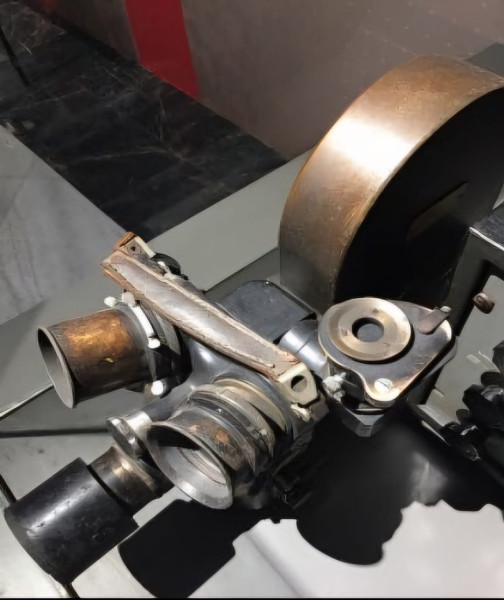
March 30 was established as National Film Day on October 11, 1962, during the "Musjawarah Film Indonesia" held by the National Film Council along with Film Organizations. The date March 30 was chosen because it marks the first day of shooting for the film Blood and Prayer, directed by Usmar Ismail. This film is agreed upon as a historical milestone as the first film directed and produced by Indonesians. Djamaluddin Malik, a film producer and owner of PERSARI Studio, proposed to the Indonesian Film Council at the end of the conference that "National Film Day" refer to the first day of production of the film Long March/Blood and Prayer (Directorate of History: 2017). The official establishment of National Film Day by the government occurred when President BJ Habibie issued Presidential Decree No. 25/1999.
The story idea itself is taken from a heroic true story when the Siliwangi Division troops migrated from West Java to the territory of the Republic of Indonesia in Central Java, in accordance with the results of the Renville Agreement on January 17, 1948, regarding the areas where the Dutch only recognized Central Java, Yogyakarta, and Sumatra as part of the territory of the Republic of Indonesia, the agreement on a demarcation line separating Indonesian territory and Dutch-occupied areas, and the Indonesian National Army had to withdraw from West and East Java.
The mobilization process for the withdrawal of Siliwangi troops began on February 1 and continued until February 22, 1948. About 35,000 people consisting of Siliwangi TNI troops, government officials, political figures, freedom fighters, and their families were involved. The peak of the sacrifice of the Siliwangi troops occurred when they had to infiltrate back to West Java on November 9, 1948. This event is known as the Long March of the Siliwangi Division (Encyclopedia of Indonesian History: 2024).
Blood, prayer, tears, and sacrifices colored their journey due to various incidents that befell them along the way. Obstacles and airstrikes from Dutch troops as well as ambushes from the DI/TII rebels led by Kartosuwiryo were frequently encountered. Not to mention the natural obstacles that hindered movement and illnesses that led to death. The journey home to their hometown was driven by their love for the homeland.
This backdrop was captured by director Usmar Ismail to be brought to the big screen. The proximity in time between the events and the film's production enriched the narratives based on the testimonies of the direct participants. Sweet and bitter memories, romance, tension, fear, and poignant emotions, along with traumatic experiences, as well as the fighting spirit to defend independence, became the unique flavor and characteristics of this film.
The strength of the film Blood and Prayer was able to capture the euphoria of the time, which was experiencing a fever of “Return to the Unitary State,” in the post-event situation of the Recognition of Sovereignty on December 27, 1949, making this film a suitable propaganda tool aimed at the international community that the recordings of the events of the time had been documented through the medium of film.
In addition to being able to revive the spirit of unity and share the same memory of struggle, the film Blood and Prayer also depicts how differing perceptions regarding the approach to interpreting the changing conditions during the period of 1945-1949, as well as the ups and downs of the dynamics of nationhood and statehood that were still in their infancy.
The open conflict between the Siliwangi Division troops and the DI/TII group, which refused to migrate to the territory of the Republic of Indonesia and chose to remain stationed in their original positions in West Java, led to a rift and a split between brothers of the same homeland, including an emotional farewell between soldiers and their former commander…
References
Indonesia, Army. Kodam VI/Siliwangi. History Service. Siliwangi from Time to Time. Indonesia: Angkasa, 1979.
Ministry of Education and Culture. Directorate General of Culture. Directorate of History. Celebrating National Film. Jakarta: 2015.
Ministry of Education and Culture. Directorate of Development and Utilization of Culture. Encyclopedia of Indonesian History: 2024.
Ratmanto, Aan. Siliwangi Troops: Loyalty, Patriotism, and Heroism. Yogyakarta. Mata Padi: 2012.