



The Vibrancy of the Batik Preservation Generation

Debates surrounding the printing batik model, which strays far from the original meaning of the batik creation process derived from the Javanese language, namely "amba" meaning to write and "nitik" meaning the dots produced by human hands, with philosophical meanings and a creation process that is not easy and requires time, with the names Batik Tulis and Batik Cap, continue to be a topic of discussion. If we remain immersed in discussions laced with criticism towards practitioners and users of printing batik, the aspect of preservation will be overlooked.
In the world of music and dance, for instance, there has been a transition phase from traditional to modern referred to as "modification," even leading to collaboration between the two with technological advancements. However, the debate between batik tulis, batik cap, and batik printing has yet to conclude. Let the three coexist, developing together, as they all share the noble goal of preserving batik and grounding it as a cultural heritage of the nation. Let the community, as users, choose according to their tastes while continuously educating and conveying information about the differences among the three.
The younger generation, who are still unfamiliar with the differences among the three types of batik production processes, tend to see them only from the perspective of beauty to the eye, comfort in use, and affordability, while still being grounded in their pride for their ancestral cultural heritage. For those who are still naive, using printing batik is a form of contribution to the preservation of the nation's culture. As time goes by, their pride will shift to an interest in learning more about what batik is and all its explanations, without extinguishing the flame of pride that might lead to trauma and insecurity, causing them to decide against using batik forever.
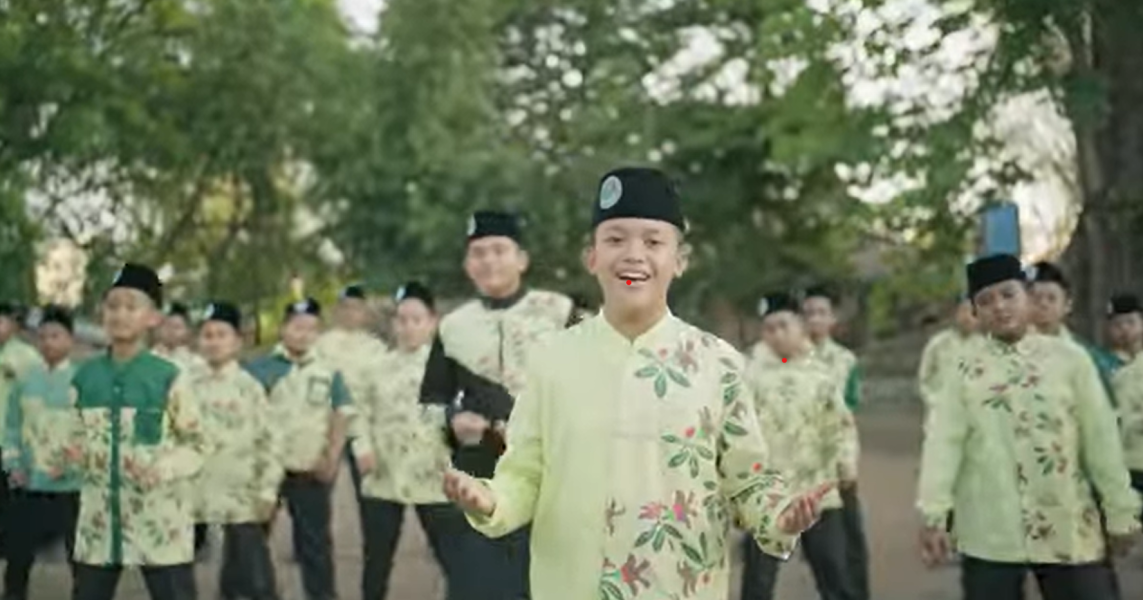
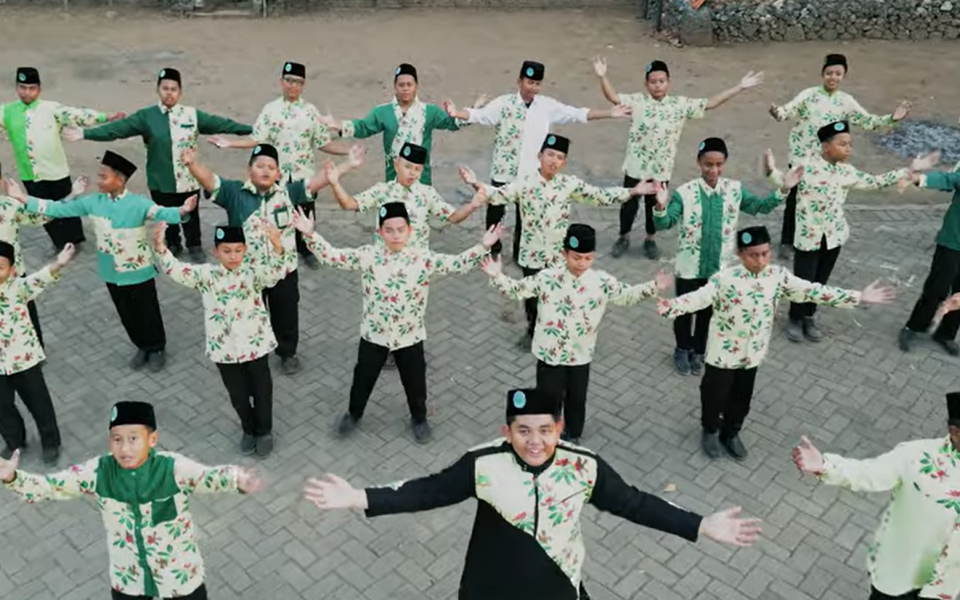
The desire to actively participate in the preservation of pure batik, rooted in pride despite limited knowledge about batik, has grown among various circles, including the younger generation. This includes what has been done by SMP Plus Jauharul Maknuun in Gresik, which created a jingle for National Batik Day 2025 using school uniforms with batik motifs. The spirit of preserving batik cultural heritage has begun to be instilled from an early age in a fun way to motivate peers to start caring about the existence of batik as a cultural heritage of the nation. This preservation effort emphasizes development and utilization, with the commemoration of National Batik Day becoming a unique strategy to further popularize batik from the archipelago.
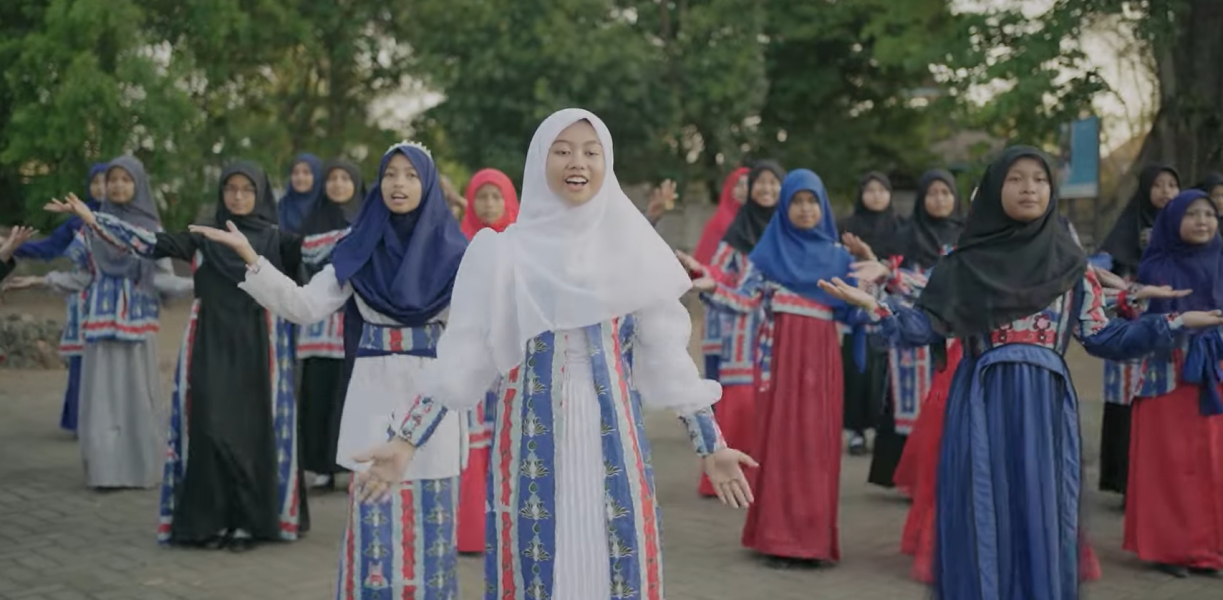
SMP Plus Jauharul Maknuun "Islamic Boarding School" is a formal educational institution under the Jauharul Maknuun Islamic Boarding School. This school was established in 2023, focusing on innovation in learning. The creative step of making a National Batik Day jingle is an effort to elevate local wisdom by creating batik flora and fauna typical of Gresik, namely the randu alas and lotus motifs. This effort not only aims to preserve but is also accompanied by steps to patent it, which are then poured into school uniform products.
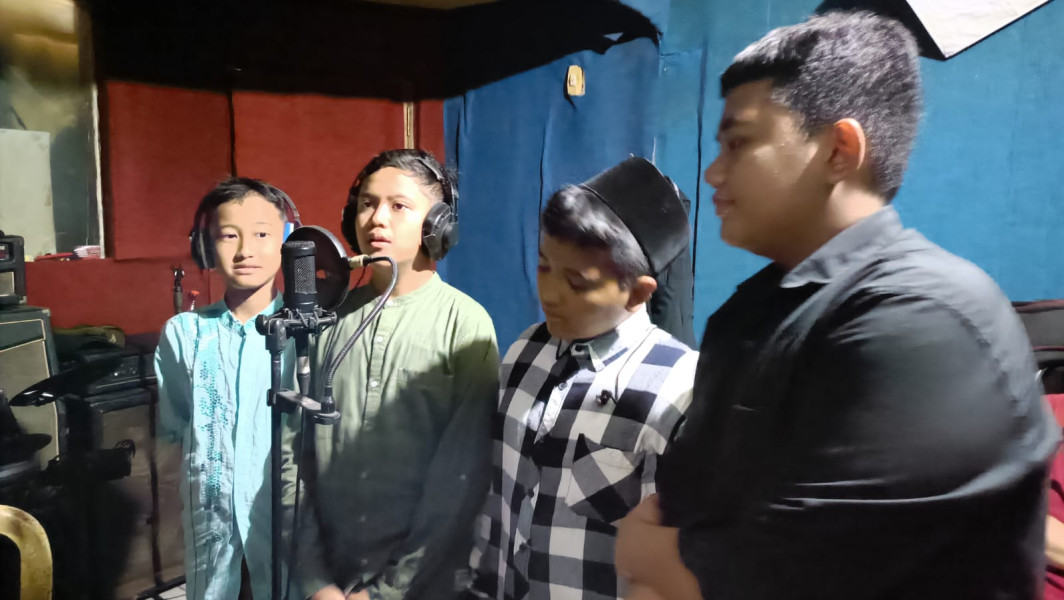
The jingle song "Lestarikan Batik Kita" was born as a form of instilling education to love local products more strongly. The collaboration between the pesantren and the school, involving pesantren teachers, junior high school teachers, and students, becomes a campaign to love Indonesian batik. The process of creating the song took about a month, including stages of lyric writing, recording, and making the music video. All production processes for the jingle were carried out at the school, except for the recording process, which was done in collaboration with "Pick Music Studio" in Sunan Giri Gresik. "Lestarikan Batik Kita" carries a profound message to the younger generation to love Indonesian batik, fostering pride that batik has become an intangible cultural heritage of UNESCO.
The vibrancy of preservation certainly does not diminish their interest in the true philosophy of batik. The development of technology and systems of knowledge that continue to evolve is also part of the preservation itself. The aspects of development and utilization related to the batik ecosystem further enrich the diversity of batik and its derivative products. An attitude of antipathy towards the modernity of batik development is akin to hindering the education and dissemination of information regarding the nobility of batik as a form of the cultural grandeur of our ancestors.
The IndonesianaTV Cultural Channel aims to preserve and promote Indonesia's diverse culture to the wider community, both domestically and internationally, through the airing of programs that highlight various aspects of Indonesian culture, such as arts, customs, traditions, and history, including sports and traditional games. The IndonesianaTV Cultural Channel seeks to enhance public knowledge and awareness of Indonesian culture through educational and informative programs packaged attractively and easily understood by all audiences.
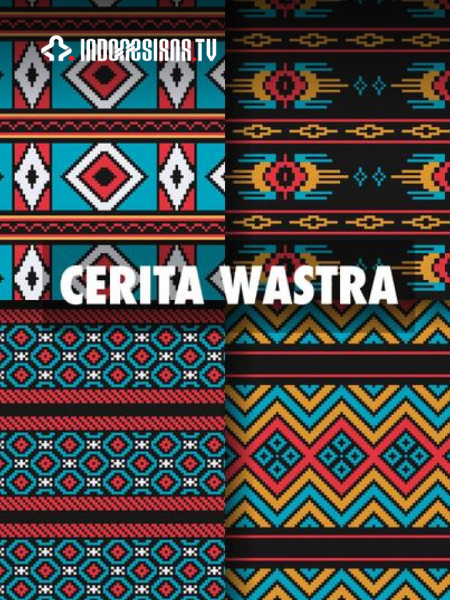
Cultural content related to the theme of batik currently available on the IndonesianaTV platform includes “Parade Indonesia” and “Cerita Wastra”. "Parade Indonesia" is a coverage program that highlights the diversity of traditions within Indonesian society, as part of efforts to preserve ancestral cultural heritage. Each episode presents an in-depth exploration of various traditions, rituals, and festivals from different regions, showcasing the unique ways communities celebrate their culture. This program invites viewers to witness the beauty and diversity of arts, languages, and customs present in Indonesia, while featuring interviews with community leaders, cultural figures, and young people involved in preserving traditions. There are five content titles discussing batik, namely Batik Pancawati: The Original Heritage of Bogor, Lestari Batik Penjuru Nusantara, Warna Alam Dalam Batik, Lestari Batik Nusantara, and Batik; Art, History, and Local Wisdom. Meanwhile, “Cerita Wastra” is a program that highlights the richness and diversity of traditional Indonesian textiles. In the Borobudur episode, viewers are invited to explore various types of batik from the Borobudur, Lasem, and Solo regions. This program not only showcases the production processes and techniques used but also reveals the cultural meanings and histories behind each fabric.
The airing of cultural content on the IndonesianaTV Cultural Channel is a form of good practice that is expected to provide educational information that ultimately leads to the preservation of Indonesian culture and serves as a guide for future generations.