



Cultural Festival of the Land of a Thousand Megaliths Lore Lindu: Preserving Traditional Culinary Heritage as Regional Identity

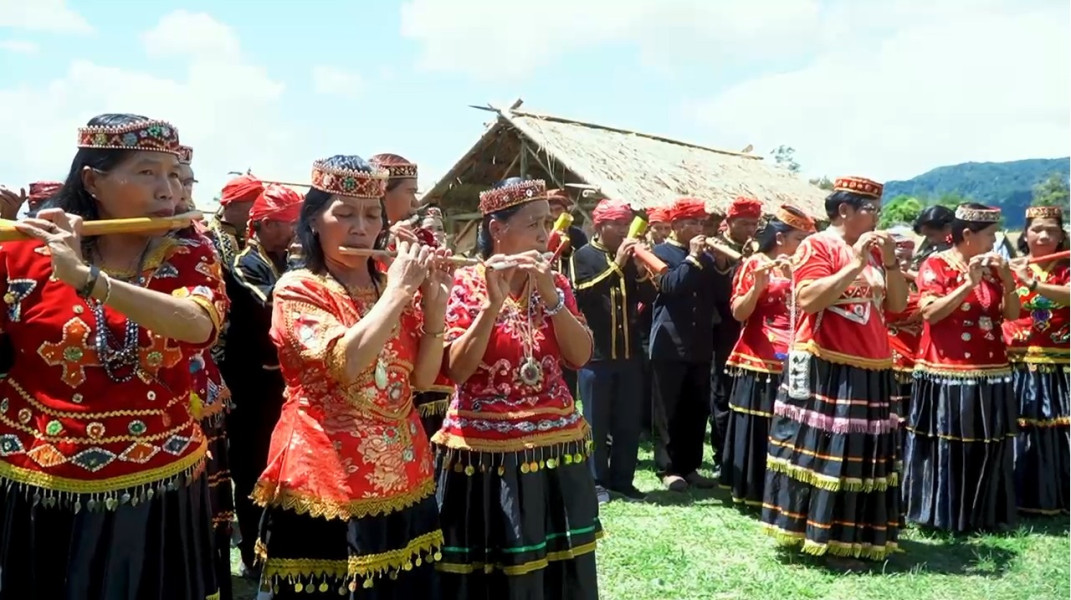
POSO, SULTENG — Every region has its own distinctive traditional food, which differentiates one area from another. This uniqueness can be in the form of raw materials, taste, color, shape, cooking methods, presentation, or even the way it is consumed.
Therefore, traditional cuisine is not only a means of sustaining life but also a cultural phenomenon and identity of a region; even the distribution of communities can be traced through traditional food.
The importance of food in human life is undeniable. More than that, the symbolism of food encompasses social bonds, group solidarity, the hospitality of the residents, and even peace of mind. Food is often linked to certain beliefs. This indicates the strong symbolic meaning behind food menus.
However, with the advancement of time, traditional food is experiencing erosion, starting to be abandoned even by local communities. Along with that, the symbols of regional identity are also dragged down.
Realizing this, the Cultural Preservation Center (BPK) Region XVIII Central Sulawesi and West Sulawesi presented a traditional cooking demonstration at the Cultural Festival of the Land of a Thousand Megaliths Lore Lindu, centered at Langimpu Field, Doda Village, Lore Tengah District, Poso Regency, Central Sulawesi, from September 8 to 14, 2024.
“In addition to the tangible cultural heritage such as the megalithic statues in Lore Lindu, cuisine is also an inseparable part of culture. We want to explore all aspects of that culture,” said Cultural Officer, BPK XVIII, Chalid AS, when confirmed at Langimpu Field, Doda Village, on Wednesday, September 11, 2024.
From these traditional foods, Chalid continued, we want to see the connections or common threads between the cultures that span Lore Lindu, including with regions that have cultural closeness, in West Sulawesi and South Sulawesi, and Central Sulawesi. “Such as Kalumpang, Mamasa, Toraja, and other areas in Central Sulawesi,” explained the Archaeologist.
Another Young Expert Cultural Officer from BPK XVIII Central Sulawesi-West Sulawesi, Ilham Abdullah, stated that what is currently visible is only tangible heritage such as sites and reserves. “Now we are showcasing all the potential that we can identify,” explained Ilham.
The potential referred to includes traditional cuisine, arts, traditional games, and crafts such as woven ikat fabric and bark cloth.
At the traditional cooking demonstration, Kalumpang prepared two traditional food menus, namely Buso and Roda’ or lemang.
Buso is a type of side dish made from ingredients such as eggplant, chili, tikala or kecombrang, fish, shallots, garlic, lemongrass, green onions, areca nut roots, sandalwood skin, salt, flavoring, and is cooked using wet bamboo. Meanwhile, Roda’ is sticky rice cooked with coconut milk also in a bamboo container.
The Behoa community made a special drink menu, which is ginger with brown sugar. The special drink from Behoa is similar to saraba, but does not use coconut milk. Meanwhile, Mamasa made Onde-onde and doko-doko from cassava flour using brown sugar and coconut, and the second menu is lemang rice. Toraja made two menus, Pa’piong Bale Bulaan, with ingredients of carp, mayana leaves, grated coconut, shallots, ginger, salt, flavoring, lemongrass, bird's eye chili, lime, and katokkon pepper (a type of chili from Toraja). And Deppa Tori made from rice flour and sticky rice flour, brown sugar, water to make the dough, sesame, and oil for frying.[*]
*This article is a re-write & re-upload from Radar Sulbar, September 11, 2024.